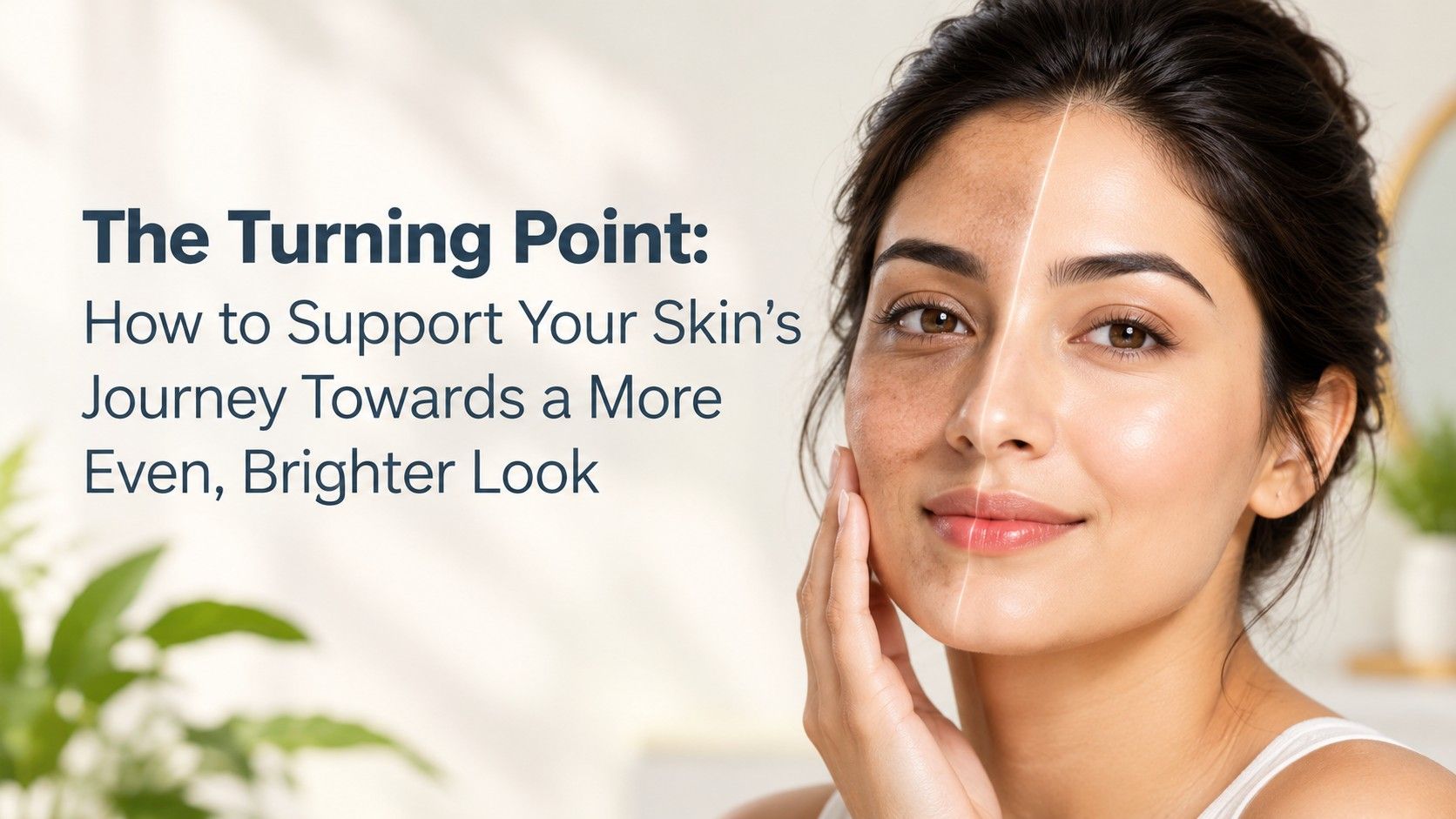
Have you noticed how a pimple can disappear in a few days. But, the dark mark it leaves can stay for months?
Skin conditions, such as acne, or anything that causes inflammation or irritation to the skin can cause pigmentation. Some people develop darker patches due to hormonal changes and/or conditions, such as melasma.
To get rid of pigmentation, one has to know what is causing it and then take proper measures to prevent further formation of marks and get rid of the already formed marks.
In a 2026 study, it was found that about 50% of the 48,000 adults who were surveyed in 34 different countries had one or more types of pigmentation disorders, and some of the common disorders that were reported were solar lentigines. This shows how common pigmentation disorders are and the reason why choosing the right type of skincare products is very important.
This article aims to provide more information on how to remove dark spots and the different ingredients used to address them.
What Causes Dark Marks?
Skin produces melanin to protect skin from the sun. But, sometimes skin produces more melanin and creates darker marks. The cause of increased melanin production can differ from person to person, and hence not all dark marks can be treated using the same products.
Post-inflammatory hyperpigmentation (PIH)
PIH is darker marks left behind after an inflammation or an injury heals. This is common in people with darker skin tones. The marks can become worse because of sun exposure. This is why acne care matters when you want to improve spots, and you also need to limit skin irritation. Otherwise, new marks can keep appearing.
Melasma
Melasma can cause larger brown or gray-brown patches. It often affects areas such as:
-
Cheeks
-
Forehead
-
Nose
-
Upper lip
Sunlight can make melasma worse. Visible light may also play a role. Hormonal changes and your skin type can also affect melasma. Melasma can return after it gets better. This makes daily sun protection important.
Sun-related discoloration
Regular sun exposure can increase melanin production. It can also make existing dark marks look darker. Visible light may worsen some pigment problems too. This can help people with melasma and PIH, especially those with darker skin tones. That is why sunscreen is very important. You don't need to save it for beach trips or summer days.
Key Ingredients for Dark Spots and Uneven Skin Tone
| Ingredient |
How it may help |
Best suited for |
| Tranexamic acid |
May help reduce the appearance of pigmentation and support a more even skin tone |
Melasma and uneven pigmentation |
| Niacinamide |
Helps improve the appearance of hyperpigmented spots and uneven tone |
Dark spots and uneven skin tone |
| Retinoids |
Can support skin renewal and help with acne and dark marks |
Acne-related pigmentation |
| Azelaic acid |
Can help with acne and pigmentation |
Post-acne marks and some pigmentation concerns |
| Vitamin C |
May affect melanin production and support a more even-looking tone |
Uneven skin tone |
How To Improve Spots Without Irritating Your Skin
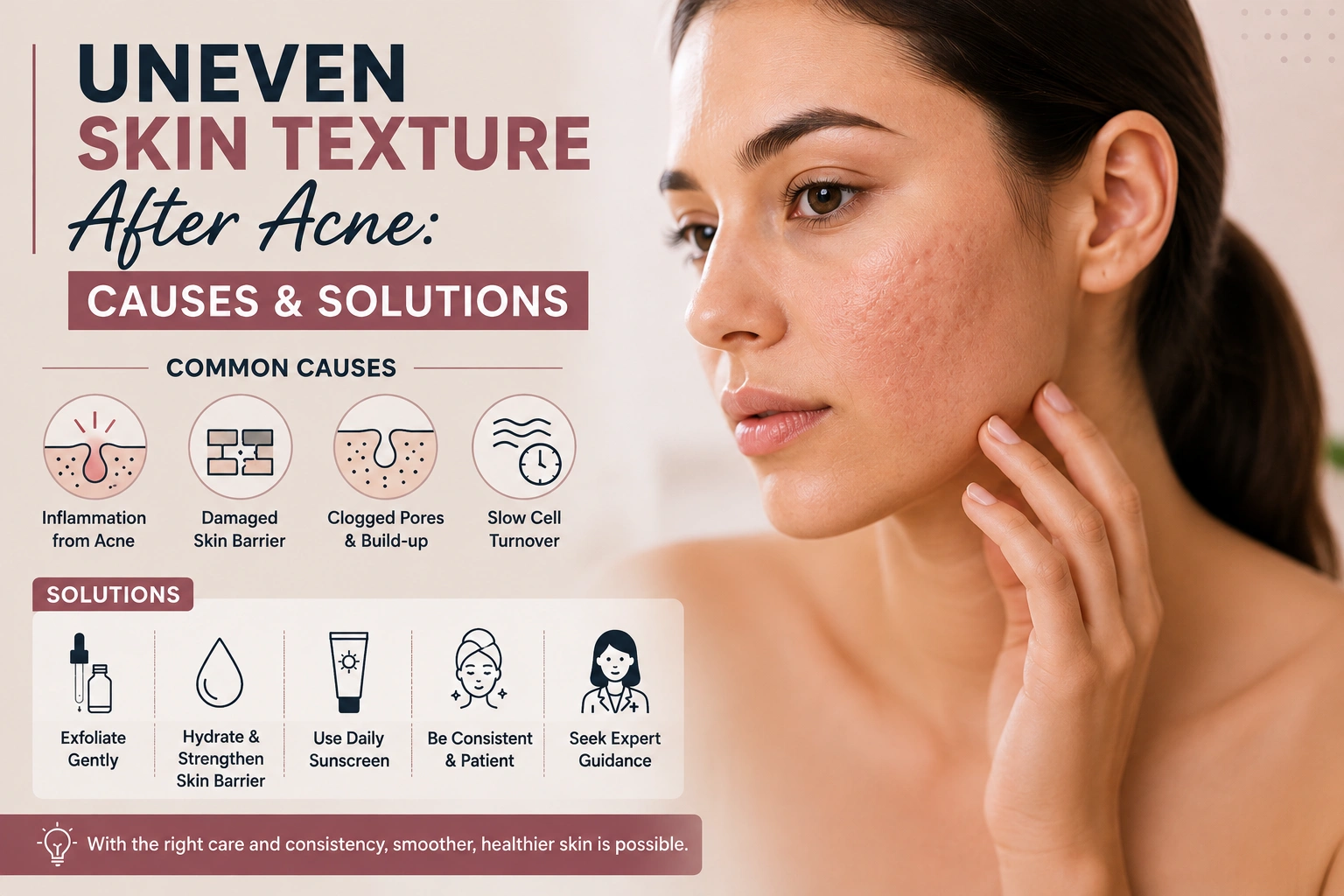
A simple routine can be easier for your skin to handle. Start with five basic steps:
-
Clean your skin gently.
-
Keep your skin hydrated.
-
Use a suitable active ingredient.
-
Protect your skin from sunlight.
-
Give your routine enough time.
Harsh scrubs can irritate your skin. Strong irritation can also make spots worse. This matters even more when your skin tends to develop PIH.
Clean Your Skin Gently
A cleanser removes sweat, and dirt. But your skin should not feel tight after cleansing. Avoid rough scrubs. Dark spots are not dirt on the skin that you can scrub away. Rough scrubbing can damage the skin. It can cause irritation, and in some people, this may lead to more pigmentation. You may not need to cleanse several times a day.
Many people can cleanse once at night. A gentle water rinse may be enough in the morning. Your skin type also matters. Dry and sensitive skin may need less cleansing than oily skin.
Keep Your Skin Hydrated
A moisturizer doesn't remove melanin. But it can help keep your skin barrier healthy. A healthy skin barrier helps your skin hold water, and it can also make your routine easier to tolerate.
Ceramides can support the skin barrier and reduce water loss. This matters when you use active ingredients. Dry or irritated skin may react badly to products that it could otherwise tolerate.
Sunscreen Should Be The Base Of Your Routine
You can use a dark-spot serum and still see slow results if you spend time outside. For pigmentation, dermatologists often recommend broad-spectrum SPF 30+ sunscreen.
Water-resistant sunscreen can help when you spend time outside. Tinted sunscreen may also help. Some tinted formulas contain iron oxides. These can reduce some visible-light exposure.
This may be useful for people with melasma and other pigment concerns. Good sun protection means:
-
Apply sunscreen before going outside.
-
Cover all exposed skin.
-
Reapply after swimming.
-
Reapply during long periods outdoors.
-
Use shade when possible.
-
Wear a hat when practical.
-
Wear protective clothing when needed.
-
Take extra care when UV levels are high.
Daily sun protection is a good first step to reduce spots.
Ingredients That May Help With Pigmentation
The right ingredient depends on your skin and the type of pigmentation you have. Your full routine also matters. Using more active ingredients does not always mean faster results, and in fact, using too many products can irritate your skin.
Tranexamic acid
This is widely studied for pigmentation. Much of the research has focused on melasma. Research suggests it may affect inflammation. A 2024 review looked at 22 studies with 1,280 people. It found that tranexamic acid could reduce measures of melasma severity. The studies used different treatment methods. Their results also varied.
This means there is research behind this acid. But it does not mean every product with this ingredient will give the same result, as topical tranexamic acid is also different from the oral one.
Oral tranexamic acid can have medical risks. It should only be used under medical supervision. A cosmetic serum should not replace medical treatment.
Niacinamide
Niacinamide is a form of vitamin B3. It is often used in skincare for uneven tone and other skin concerns. A controlled 12-week study found that a 5% niacinamide product reduced spots. It also improved some other signs of skin aging. Niacinamide can fit well into a simple routine. You also do not need to pair it with many strong exfoliating products.
Retinoids
Retinoids can help with acne and dark marks, and they may help treat pigmentation. But they can cause early dryness and irritation. Start slowly. Give your skin time to adjust and use prescription retinoids only as directed by your doctor.
Azelaic acid
Azelaic acid can help with acne and pigmentation. This makes it useful when dark marks appear after breakouts. It is also used for some cases of hyperpigmentation. But your skin may need time to adjust, so start with a routine that feels comfortable for your skin.
Vitamin C
Vitamin C is another common ingredient in products made for uneven skin tone. Research suggests that it can affect melanin production. But the finished product matters. Its stability and ability to reach the skin can affect results. So, do not judge a product only by its ingredient list.
Where Rv24 Can Fit Into Your Routine
RV24 contains 3% tranexamic acid, 2% niacinamide, sodium hyaluronate, and plant extracts.
Each ingredient has a different role.
-
Tranexamic acid: supports a more even-looking skin tone.
-
Niacinamide: supports the appearance of uneven pigmentation.
-
Sodium hyaluronate: helps the skin hold water.
-
Ceramide NP: helps support the skin barrier.
-
Allantoin: helps support skin comfort.
-
Dipotassium glycyrrhizate: is used as a skin-soothing ingredient.
Tranexamic acid and niacinamide have research behind their use in pigmentation care. But this does not mean RV24 can treat every type of pigmentation.
Melasma and other skin conditions may need medical care. Ingredient research tells you what an ingredient may do. But it does not promise the same result for every person. The product directions advise applying RV24 after cleansing and toner. You can then follow with a suitable lotion or cream. A patch test is advised for sensitive skin. Do not apply it to broken or damaged skin.
How Long Does It Take To See Results?
Dark spots usually do not fade in a few days. The AAD says dark spots can take 6–12 months to fade naturally. Deeper pigment can take longer, and treatment may speed up the process. But results can vary based on the cause and sun exposure.
Try to check your progress every few weeks. Also, take one photo every four weeks. Use similar lighting each time. Look for:
Do not check your skin every few hours. Small changes are hard to see from one day to the next.
When Should You See A Dermatologist?
A dark patch is not always a simple cosmetic concern. See a dermatologist when a patch:
-
Changes quickly
-
Looks very dark or blue-gray
-
Has an unusual shape
-
Looks uneven on one side
-
Bleeds
-
Develops a crust
-
Hurts
-
Keeps itching
-
Appears without a clear reason
-
Keeps spreading
-
Keeps coming back
-
Covers a large area
-
Looks different from your usual dark spots
A dermatologist can examine your skin and help identify the type of pigmentation. They may use tools such as dermoscopy or a Wood's lamp. These tools can help assess different pigment problems.
The 2026 Indian expert consensus also supports these tools when assessing common forms of hyperpigmentation. Some people may need prescription treatment. But the right treatment depends on the cause. Don't start prescription treatment on your own.
The Practical Approach
Good pigmentation care starts with prevention. Protect your skin from UV and visible light. Clean it gently. Keep it hydrated. Then choose one active that fits your skin and your concern. The main lesson for anyone learning how to improve dark spots is simple: stronger does not always mean better. Burning and peeling doesn't mean that a product is working well.
A routine that keeps irritating your skin can make pigmentation harder to manage. Research supports several ingredients for pigmentation care. These include tranexamic acid and vitamin C. But results depend on several factors.
These include:
-
The cause of the pigmentation
-
The product formula
-
The strength of the ingredient
-
Your skin's tolerance
-
Your sun protection habits
-
How regularly you use the routine
RV24 can fit into this type of routine. It contains tranexamic acid and niacinamide. It also contains ingredients that support hydration and the skin barrier.
PERS ACTIVE LAB should be viewed within that wider skincare plan. A serum can support your routine. It should not replace a proper diagnosis when you have persistent or unusual pigmentation.
The goal is simple. Keep your skin healthy and comfortable and reduce the factors that cause new pigment. Give your routine enough time to work.
FAQs
1. How to reduce dark spots without irritating your skin?
Use sunscreen daily. Cleanse gently, and add one active at a time. Stop products that cause strong burning or peeling.
2. What is the best skincare for dark spots?
No single routine works for every type of pigmentation. Use daily sun protection and choose actives based on your skin type and the cause of the spots.
3. Can pigmentation come back after it gets better?
Yes. Melasma and some pigment problems can return. Sun and visible light can worsen them. So, keep using sun protection.
4. How to improve uneven skin tone when you also have acne?
Treat acne and dark marks together. Do not pick pimples or add actives too fast as gentle skincare can reduce irritation.






 Successfully Added!