Dark areas and lifeless skin can change how your skin looks as time passes. Exposure to the sun and daily irritation can make your skin color look less even. A good plan can help you look after these issues without making your routine hard to follow.
A 2026 global survey of 48,000 adults across 34 countries found that 50% of respondents reported at least one pigmentary disorder. The study also found that many of these concerns can last for years.
The main thing is being consistent. You don't need ten products. You need a plan that helps your skin every day. Protection from the sun and care that targets specific problems all play a role.
A skincare routine for dark spots should also focus on keeping things under control. Once your skin starts to look clearer and more even, you still need to protect it from new dark areas. In this article, we will discuss how consistency and targeted skincare can help you maintain a brighter and more even-looking skin tone over time.
Why Dark Areas and Lifeless Skin Need Constant Care
Dark areas do not always come from one reason. Sunlight can make existing dark areas look worse. Acne can leave marks, while dryness and dead skin can make skin look dull.
This is why a brightening skincare routine should do more than just deal with spots. You also need habits that help stop color changes from happening.
Your skin can change with the weather and sun exposure. Your routine for dull skin may need changes over time. Still, the basic steps can stay the same.
A skincare plan for skin color can include:
The goal is simple. Keep your skin comfortable while letting the right ingredients for pigmentation have time to work.
Start With Protection From the Sun
Protection from the sun is one of the important parts of skincare for dull skin. That’s because, sunlight can make dark spots more visible. It can also make it harder to keep your skin fresh.
Use a sunscreen that covers all types of rays every morning. Put enough on your face, and other parts that are out in the sun. Put more on when needed especially after you sweat or spend a lot of time outside.
Your sunscreen should be part of your plan even when you are inside most of the day. Sunlight can still come through windows and during trips outside. Strong sun exposure without protection can affect your results.
Simple habits can help:
-
Wear a hat when you're outside.
-
Use glasses to protect your eyes more.
-
Find shade when the sun is strong.
-
Put sunscreen on during long times outside.
Keep Your Skin Moist
Dry skin can look rough and not smooth. Moisture can help your skin look softer and feel better. You don't need a cream if your skin feels oily. Choose a moisturizer that matches your skin type. The right texture matters because you are more likely to use it every day.
A daily dark spot skincare routine for areas should not leave your skin feeling tight or uncomfortable. Many strong products can make your skin feel bad. Feeling bad may also make it harder to keep your plan going. Look for products that support moisture and the skin barrier.
Add Care That Targets Dark Areas
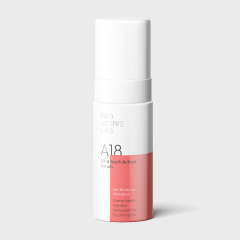
Once the basics are in place you can add a serum that's for problems. This is where RV24 can be part of a skincare plan.
According to the details from PERS ACTIVE LAB, RV24 has 3% tranexamic acid and 2% niacinamide. It also has acid and Ceramide NP. The formula is made for dull areas and marks after acne.
Tranexamic acid is used in skincare products and helps with dull areas. Niacinamide can help make skin color look more even while also helping to protect the skin.
RV24 should not be seen as a solution. It works best as one part of a plan. Your cleanser and sunscreen still matter.
A plan to make skin brighter can be simple:
-
Wash your skin gently.
-
Put on your serum for problems.
-
Use a moisturizer.
-
Put on sunscreen in the morning.
At night you can do the steps without sunscreen.
How to Keep Your Skin Color With Regular Care
The hard part is often not starting a plan. It is staying with it. You may see changes in skin texture before dark areas look different. That is normal. Dark areas can take time to fade, and results can be different for each person.
A plan for skin color should be simple enough to do again and again. Avoid changing products at once. When you add many new products, it becomes hard to know what is helping or making your skin feel bad.
Give your plan time. Take pictures in the light every few weeks if you want to see changes. Do not judge your skin from one day to the next. Your routine for dull skin should also change when your skin needs a break. If your skin becomes red, very dry, or uncomfortable, use washing, moisture, and sun protection more.
A Simple Plan for Care
| Step |
Morning |
Night |
| Cleanse |
Gentle wash |
Gentle wash |
| Serum for problems |
RV24 if it is |
RV24 if it is right |
| Moisturizer |
Yes |
Yes |
| Sunscreen |
Yes |
Not needed |
This simple layout can make a skincare plan for areas easier to follow.
You can also keep these tips in mind:
-
Don't touch active pimples.
-
Do not rub your skin hard.
-
Do not add strong products at once.
-
Test new products when possible.
-
Stop using a product if you have a long-lasting reaction.
-
Give your skin time to get used to things.
Create a Plan for Lifeless Skin Without Doing Much
Skin that looks dull can make you want to add more acids and serums. More products do not always mean results. A plan for skin should focus on the basics first. Clean skin, moisture, and protection from the sun can make a big difference in how your skin looks.
Gentle cleaning may also help some people. You don’t need to clean every day. Doing too much can make your skin dry and feel bad. Your skin type matters too. Oily skin may need a light moisturizer. Dry skin may need a heavy one. Sensitive skin may need active products.
Keep your plan easy to follow. A plan you use for months is better than one you stop after two weeks.
Make Brightening Part of Your Daily Plan
Brightening does not mean trying to change your natural skin color. The goal is to make dark areas look better and help your skin look clearer and more glowing.
A plan to make skin brighter can focus on three things:
-
Protect your skin from the sun
-
Help your skin stay strong
-
Use products that help with dark areas
This way of thinking also helps you look beyond quick changes. Your skin needs care even after you see improvement.
You may also want to check your plan when your skin changes. For example, a hot summer may need a light moisturizer. A cold winter may need heavy moisture.
How to Keep Your Skin Color With Daily Habits
Skincare is only part of looking after your skin. Your daily habits can also change how your skin looks. Try to get rest. Drink water for your normal needs. Eat a meal with different foods. Try not to touch your face as much as possible.
Stress can also change your habits. When you are stressed, you may touch your face more or pick at pimples. Keeping your plan short can make it easier to follow. Your goal is not perfect skin every day. Your goal is to look after your skin.
A daily plan can be easier to follow when each step has a clear reason. Also, you do not need to use every product you own.
When to Keep Things Simple
Sometimes your skin needs less. If you have added a serum recently, avoid adding many other active products at the same time. This helps you see how your skin reacts.
You should also avoid using products on skin that is hurt or sore. A patch test can be helpful when trying a product, especially if your skin reacts easily. A plan should never feel painful. Some products may cause a tingling but ongoing burning, redness, swelling or pain is a sign to stop and see a doctor.
Dark areas that last a long time can have reasons. A doctor can help find the cause and suggest the right treatment.
How to Keep Your Skin Color for a Long Time
Skin changes take time. Dark areas do not appear suddenly, so they should not be expected to go away suddenly either. Focus on using a good plan instead of checking your skin every few hours. Take pictures in the light. Look at changes over weeks instead of just a few days.
A good skincare plan is something you work on for a time. You can change it as your skin changes. The main steps can stay the same. Even after your skin begins to look keep doing the things that made it better.
A plan to make skin brighter should also include protection after your skin starts to look better. This helps you keep your plan stable instead of starting over every time.
Final Thoughts
Having healthy-looking skin is about what you do every day. A simple routine for skin includes using sunscreen every day, staying hydrated, and giving your skin the right care. These small daily habits can help your skin look beautiful over time. It is not about fixes. It is about consistency. You have to care for your skin every day. Over time, you will see the difference. The results may not be instant. They are real. Your skin will thank you for the effort.
RV24 can be part of that plan for dark spots and dull skin. But it should be part of a bigger routine and not take the place of your basic skincare.
Keep your routine easy to follow. Let products work. Protect your skin every day. Importantly, keep taking care of your skin even after you see results. PERS ACTIVE LAB can be a good choice if you want to add special care to your routine.
FAQs
1. Can a skincare plan help with areas?
Yes. A regular plan can support an even-looking skin color. Sunscreen is especially important because sun exposure can make dark areas look worse. Products that target areas may also help make them look less over time.
2. Can I use RV24 every day?
Follow the instructions on the product. See how your skin reacts. The product information says RV24 is, for areas and lifeless skin. If your skin is sensitive start slowly. Use a patch test first.
3. What should I avoid when treating areas?
Avoid scrubbing squeezing pimples and putting too many strong products on your skin all at once. These actions can hurt your skin. Keep your routine easy to follow and always use sunscreen in the morning.
4. Do I still need to do skincare once my dark spots get better?
Yes. Taking care of your skin is important. Sunlight, pimples, dryness and irritation can cause dark areas. Sticking to a routine can help you keep your skin looking brighter and more even.








 Successfully Added!