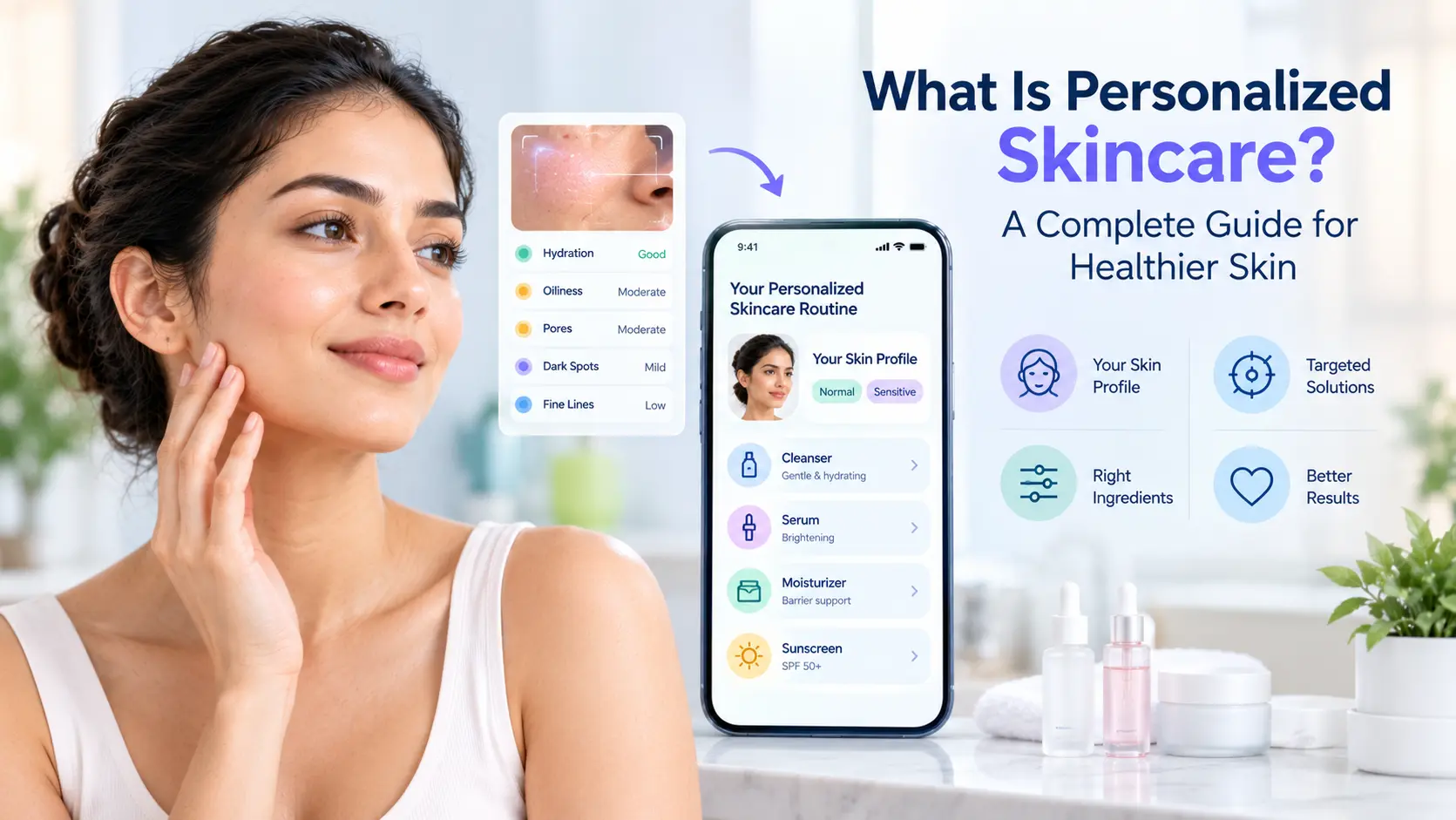
Specialized skincare means choosing products and routines around your skin’s actual needs instead of following the same routine as everyone else. Your skin type and current products can all affect what works well for you. Interest in this approach is also growing. According to Grand View Research, the global personalized skincare products market is estimated to reach $34.8 billion in 2026, up from $31.6 billion in 2025. A simple routine can still be personalized. It does not have to involve expensive products, DNA tests, or advanced devices. In fact, dermatologists often recommend keeping routines simple and consistent.
What Does Personalized Skincare Mean?
Specialized skincare is an approach where your routine is selected according to your skin rather than a general beauty trend.
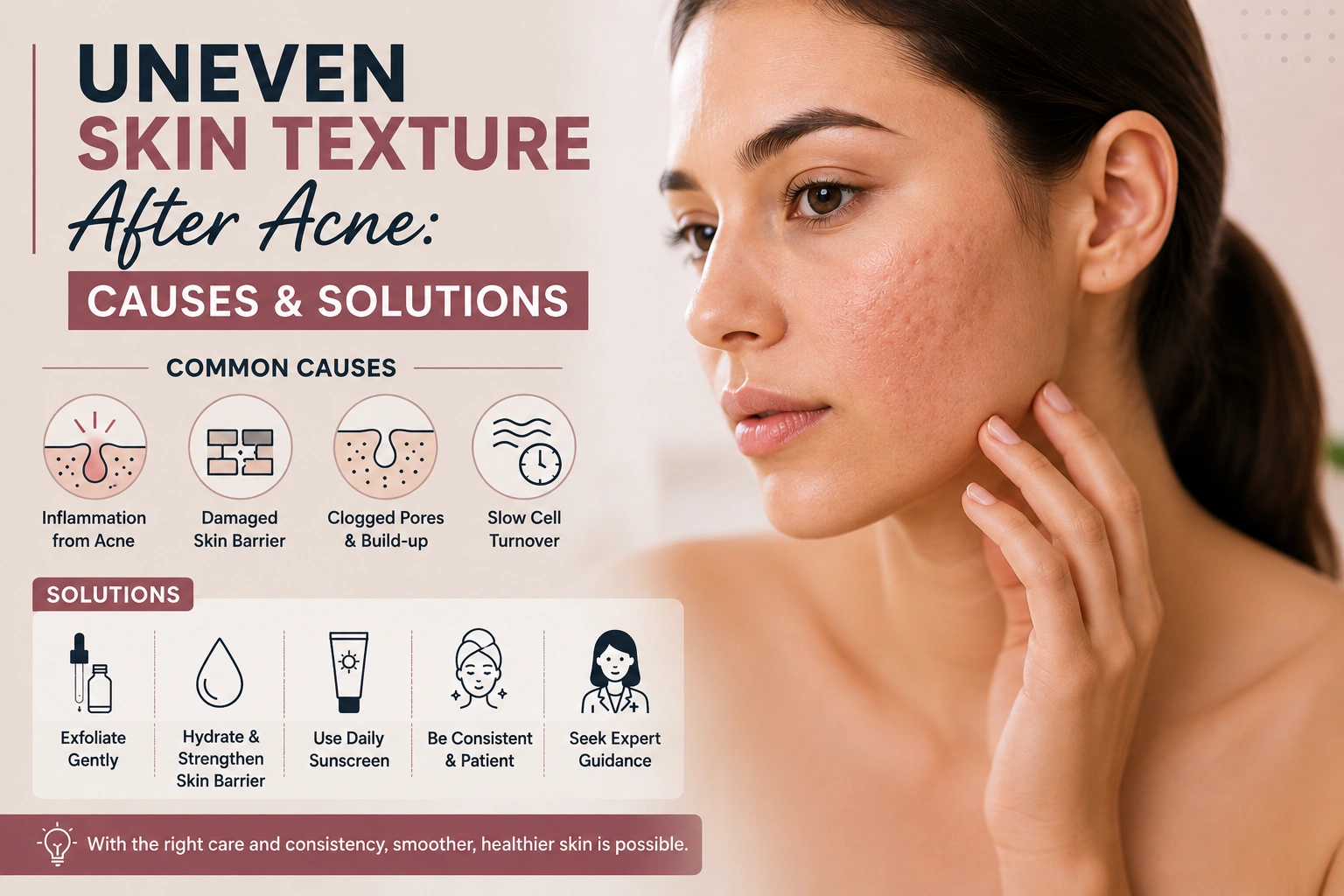
The starting point is usually your skin type and main concerns. You may have dry, oily, combination, or sensitive skin. You may also deal with acne or uneven texture.
Your routine can then be adjusted based on factors such as:
- Your skin type
- Your main skin concern
- How sensitive your skin is
- Your age
- Your current skincare products
- Your lifestyle
- Climate and sun exposure
- Medicines or treatments that affect your skin
- Your personal goals
Research on skin classification also supports assessing individual skin characteristics when selecting skincare products and procedures.
Importantly, personalization does not mean that every person needs a completely different ingredient. Many people can benefit from the same basic steps, such as gentle cleansing and sun protection. What changes is how those steps are selected and adjusted.
How Does Custom Skincare Work?
Custom skincare can range from simple product selection to a professionally assessed routine.
A basic approach starts with observing how your skin behaves. For example, oily skin may need lightweight, non-comedogenic products, while dry skin may need more moisturizing ingredients. Sensitive skin may require fewer products and fragrance-free options. The American Academy of Dermatology recommends choosing products according to skin type and avoiding unnecessary irritation.
A more detailed assessment may include:
- Skin history: You discuss past reactions and treatments.
- Skin assessment: A professional may assess oiliness, dryness, pigmentation, texture, and sensitivity.
- Goal setting: You identify your main priority instead of trying to treat every concern at once.
- Product selection: Products and active ingredients are selected according to those needs.
- Adjustment: Your routine can change when your skin changes.
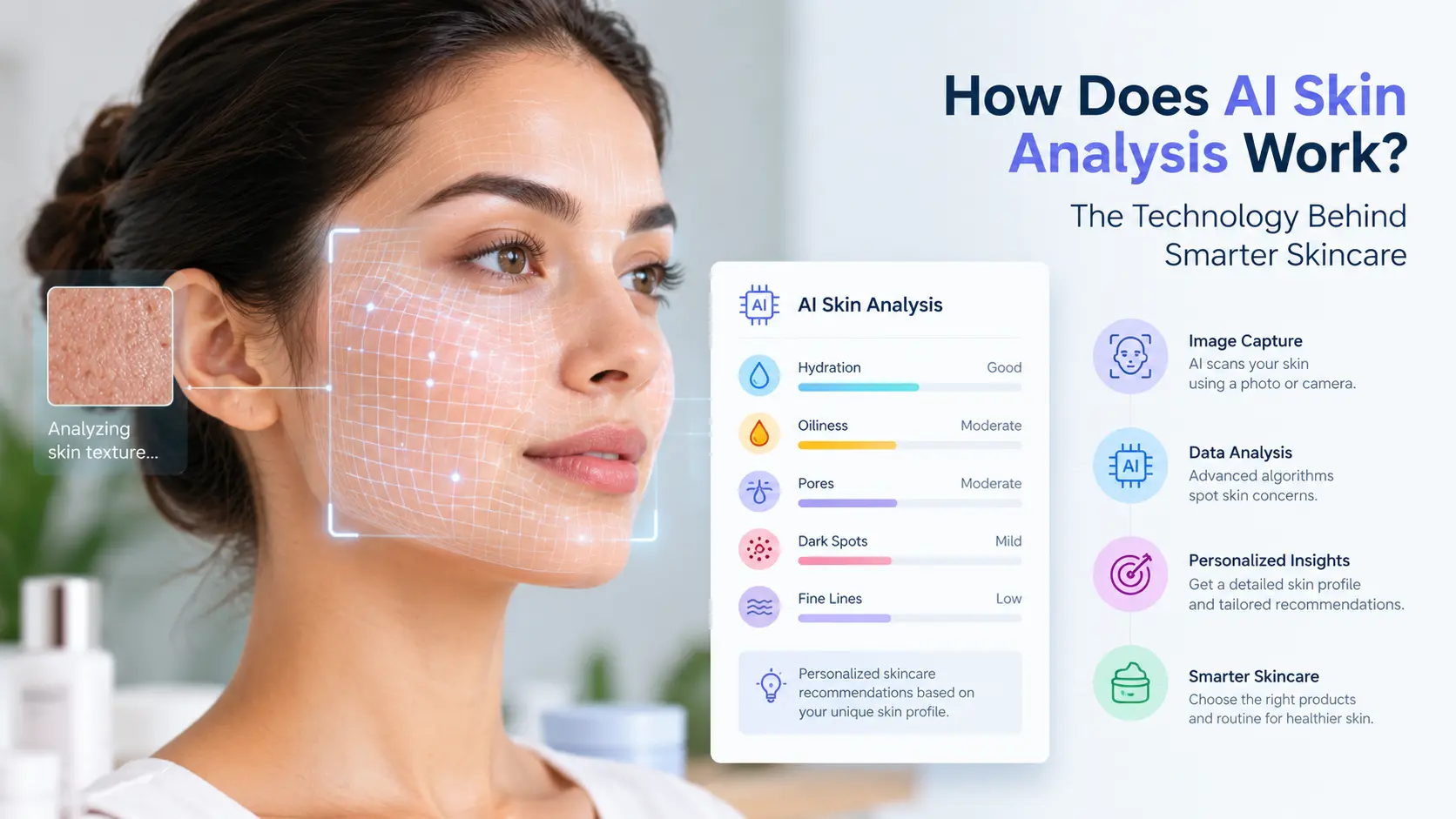
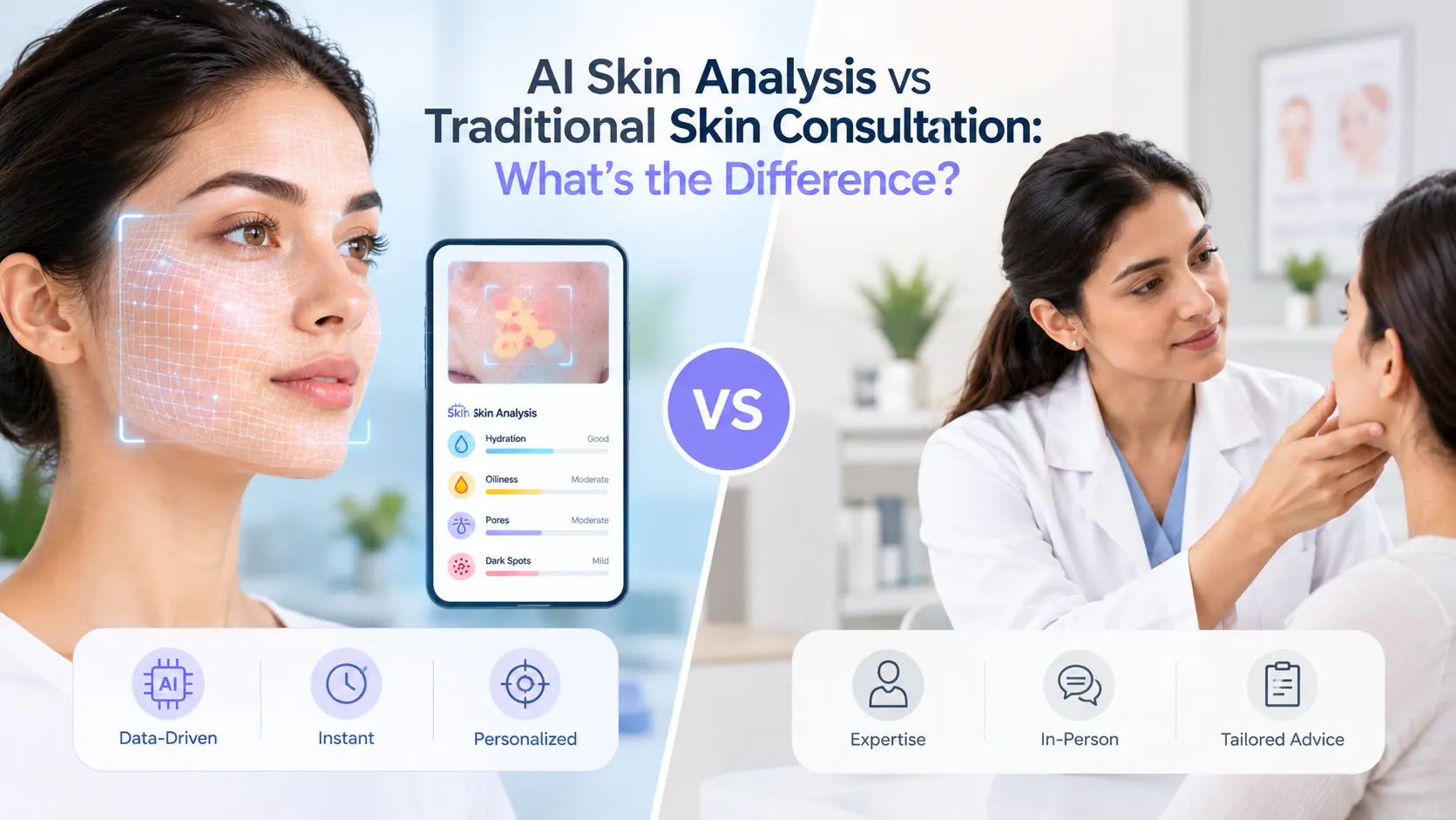
Some newer systems also use photographs or genetic information. However, the evidence for these advanced methods is still developing. A 2025 systematic review found promising research in AI, genomics, and AI skin analysis. But it also noted limited validation and the need for stronger clinical evidence.
What Factors Should Your Routine Consider?
|
Factor
|
What it can affect
|
|
Skin type
|
Product texture and hydration needs
|
|
Sensitivity
|
Ingredient choice and product frequency
|
|
Acne
|
Choice of acne-focused ingredients
|
|
Pigmentation
|
Sun protection and targeted treatment
|
|
Climate
|
Hydration and product texture
|
|
Lifestyle
|
Sun exposure, sweating, and routine consistency
|
|
Current treatments
|
Product safety and irritation risk
|
Your skin type is only one part of the picture. For example, two people may have oily skin but very different needs. One may have frequent acne, while another may have sensitivity and redness. This is why copying another person's routine can be unreliable.
What Does a Tailored Skincare Routine Usually Include?
A tailored skincare routine should still have a simple foundation.
1. Gentle cleansing
A cleanser removes dirt and other material from the skin. Washing too often or using harsh products can cause irritation. The AAD generally recommends limiting facial cleansing to twice a day and after sweating.
2. Moisturizing
Moisturizer helps reduce water loss and supports comfortable skin. Even oily or acne-prone skin can need moisturizer. For acne-prone skin, the AAD recommends looking for labels such as non-comedogenic, oil-free, or won’t clog pores.
3. Sun protection
Daily sun protection is one of the most useful steps for maintaining skin health. The AAD recommends broad-spectrum, water-resistant sunscreen with SPF 30 or higher. Your sunscreen can also be selected according to your skin type. For example, people with oily or acne-prone skin may prefer a non-comedogenic formula.
4. One targeted treatment
Once your basic routine is working, you can address a specific concern. For acne, dermatologists may recommend ingredients such as salicylic acid or retinoids, depending on the individual case. Retinoids can also cause irritation, so frequency and product choice may need adjustment.
For dry or sensitive skin, ingredients such as glycerin and colloidal oatmeal may be useful depending on the product and individual needs. The key is to avoid adding several strong products at once. The AAD notes that using too many products can irritate the skin.
Where Does PERS ACTIVE LAB Fit Into Personalized Skincare?
PERS ACTIVE LAB reflects the broader move toward more individualized skincare. The useful principle is simple: skincare should start with understanding the person and their skin rather than automatically adding more products.
For consumers, this means asking sensible questions before buying something. What is the product meant to do? Is the ingredient appropriate for your concern? Could it irritate your skin? Are you already using something with a similar active ingredient? A good personalized approach should make your routine more focused, not longer.
Is Personalized Skincare Better Than a Standard Routine?
Not necessarily. A standard routine can work very well when it includes appropriate basics. The advantage of personalization is that it can help you select those basics and any targeted treatments more carefully.
For example, the AAD recommends a gentle cleanser, moisturizer, and sunscreen as a strong foundation. From there, products can be selected around individual concerns and skin type.
So, the goal is not to create the most complicated routine. It is to create a routine that makes sense for your skin.
What Are the Limits of Specialized Skincare?
Personalization has limits. Skin changes over time. Weather and lifestyle can affect how your skin behaves. A routine that works during winter may feel too heavy in a hot, humid climate.
There is also a difference between a dermatologist-led assessment and an online quiz. A questionnaire can collect useful information. But it cannot diagnose every skin condition.
AI-based systems have added another concern: privacy. Current research notes that some systems may collect facial images or genetic information. Users should understand what information is collected, how it is stored, and whether it is shared with third parties.
Genetic testing also needs caution. Current research describes the field as promising but still in need of stronger validation and clearer safeguards.
How to Build a Safer Personalized Routine
You can start without buying a large number of products.
- Identify your skin type.
- Pick your main concern.
- Keep cleansing gentle.
- Use a suitable moisturizer.
- Wear broad-spectrum SPF 30 or higher during the day.
- Add one targeted active at a time.
- Introduce new products gradually.
- Stop using a product that causes persistent burning or significant irritation.
- Seek a dermatologist’s advice for persistent acne or other ongoing skin problems.
This approach keeps the focus on skin health rather than the number of products on your shelf.
Conclusion
Specialized skincare is best understood as appropriate skincare for your individual needs. It does not require a 10-step routine or expensive technology. Start with your skin type and current routine. Then choose a few products that have a clear purpose.
PERS ACTIVE LAB fits into this wider idea by focusing attention on individualized skincare rather than one routine for everyone.
The strongest approach is simple: understand your skin, and seek professional advice when a skin problem does not improve.
FAQs About Personalized Skincare
1. Is Specialized skincare suitable for sensitive skin?
It can be. Sensitive skin often benefits from a simpler routine with fewer potential irritants. Fragrance-free products can be a useful option because added fragrance may trigger irritation in some people.
2. Does Specialized skincare mean I need a DNA test?
No. DNA testing is only one emerging form of personalization. A basic assessment of your skin type and sensitivity can already help you make more appropriate choices. Genetic and AI-based approaches are still being studied.
3. Can personalized skincare help with acne?
It can help you choose products that fit acne-prone skin, but acne sometimes needs medical treatment. Dermatologists may recommend topical retinoids or other treatments depending on the type and severity of acne.
4. How often should you change your skincare routine?
You usually do not need to change it simply because a new trend appears. Give products time to work, avoid adding several new actives at once, and adjust the routine when your skin needs change. Dermatologists also stress consistency over complicated routines.




 Successfully Added!