The Best Acne Prevention Ingredien
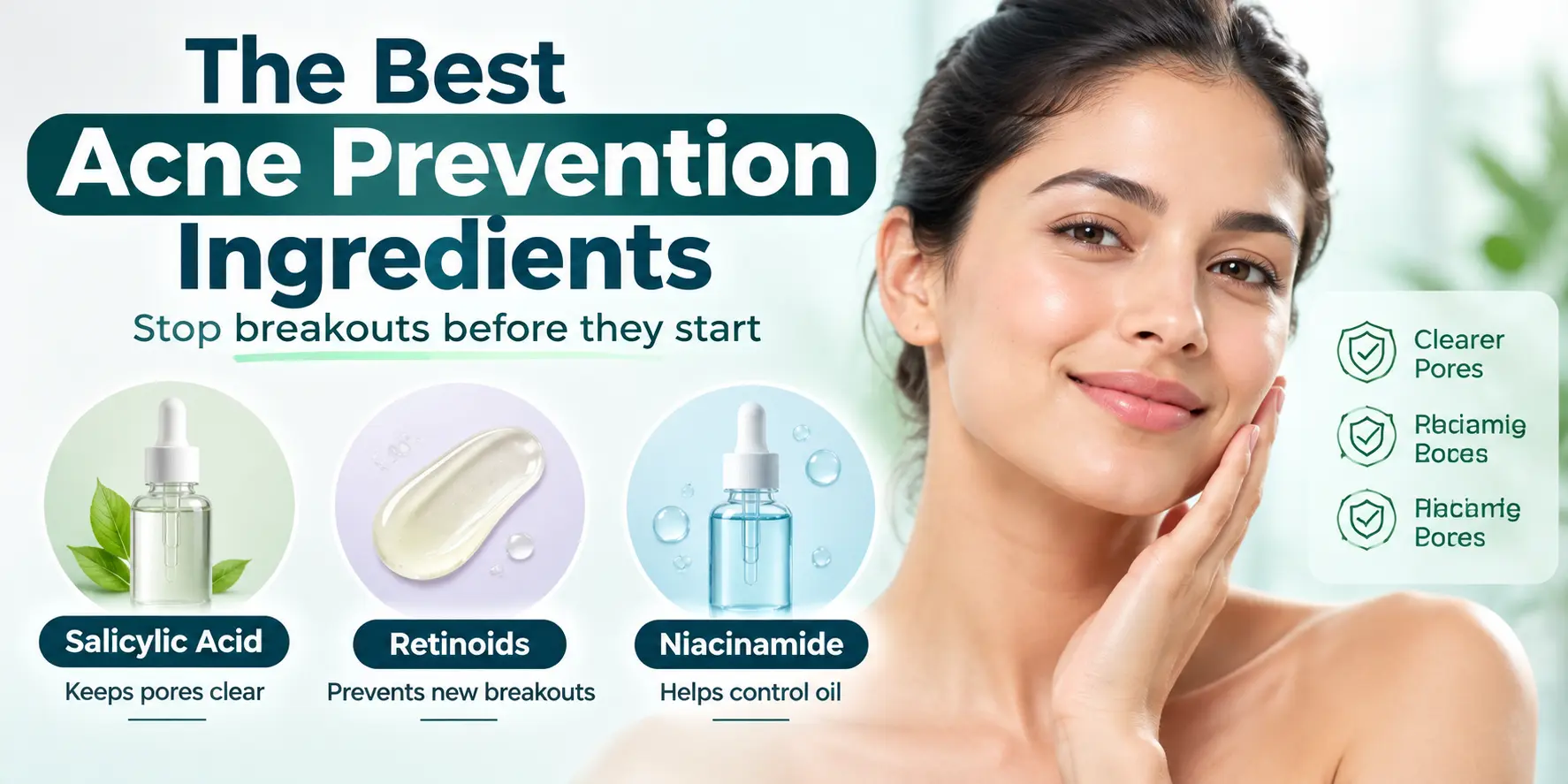
Not every skincare ingredient prevents acne. Some only treat existing blemishes. Others work behind the scenes to keep pores clear and reduce the conditions that lead to breakouts.
The following ingredients have the strongest record for preventing acne before it starts.
Salicylic Acid Keeps Pores Clear
Among all pore-clearing ingredients, salicylic acid remains one of the most effective.
Unlike water-based exfoliants, salicylic acid is oil-soluble. This allows it to penetrate oily pores, where breakouts usually begin. It dissolves excess sebum and loosens dead skin cells that stick to the pore walls.
Instead of simply removing surface flakes, it cleans inside the pore where blockages develop.
Benefits of salicylic acid for acne include:
- Dissolves oil inside pores
- Removes dead skin buildup
- Helps prevent blackheads and whiteheads
- Reduces clogged pores over time
- Supports smoother skin texture
People with oily or combination skin often benefit from using a cleanser, toner, or leave-on treatment containing salicylic acid several times each week. Consistency matters more than strength. Gentle, regular use usually delivers better long-term results than aggressive exfoliation.
Retinoids Prevent New Breakouts
Retinoids are another excellent choice for acne prevention. These vitamin A derivatives increase skin cell turnover. Instead of allowing dead cells to pile up inside pores, they help fresh skin cells replace older ones more efficiently.
This process prevents microcomedones from forming, making retinoids one of the few ingredients that target acne at its earliest stage.
Common options include:
- Retinol
- Adapalene
- Prescription tretinoin
Unlike spot treatments, retinoids should be applied across the entire face because they work by preventing future breakouts rather than treating only visible spots.
Many people notice smoother skin, fewer clogged pores, and more even texture after several weeks of regular use. Since retinoids can make skin more sensitive, sunscreen should always be part of your daily routine.
Niacinamide Helps Control Oil
Excess oil creates an environment where clogged pores become more likely. That makes oil regulation an important part of acne prevention. This is where niacinamide acne care becomes useful.
Niacinamide, also called vitamin B3, helps balance sebum production without stripping moisture from the skin. It also strengthens the skin barrier, making it less likely to become irritated from acne treatments.
Regular use may help:
- Reduce excess oil
- Calm redness
- Support the skin barrier
- Lower irritation from active ingredients
- Fade marks left behind after breakouts
Because niacinamide works well with most skincare ingredients, it easily fits into morning or evening routines.
Comparing the Best Preventative Ingredients
Choosing ingredients becomes much easier when you know what each one does best.
|
Ingredient
|
Main Function
|
Best For
|
Frequency
|
|
Salicylic Acid
|
Clears oil and debris from pores
|
Oily skin, blackheads, clogged pores
|
2 to 5 times weekly, depending on tolerance
|
|
Retinoids
|
Speeds skin cell turnover
|
Preventing future acne and improving texture
|
Nightly or every other night
|
|
Niacinamide
|
Controls oil and supports the skin barrier
|
Oily, sensitive, and combination skin
|
Daily, morning or evening
|
Each ingredient serves a different purpose, and many people safely combine them within the same skincare routine after introducing them gradually.
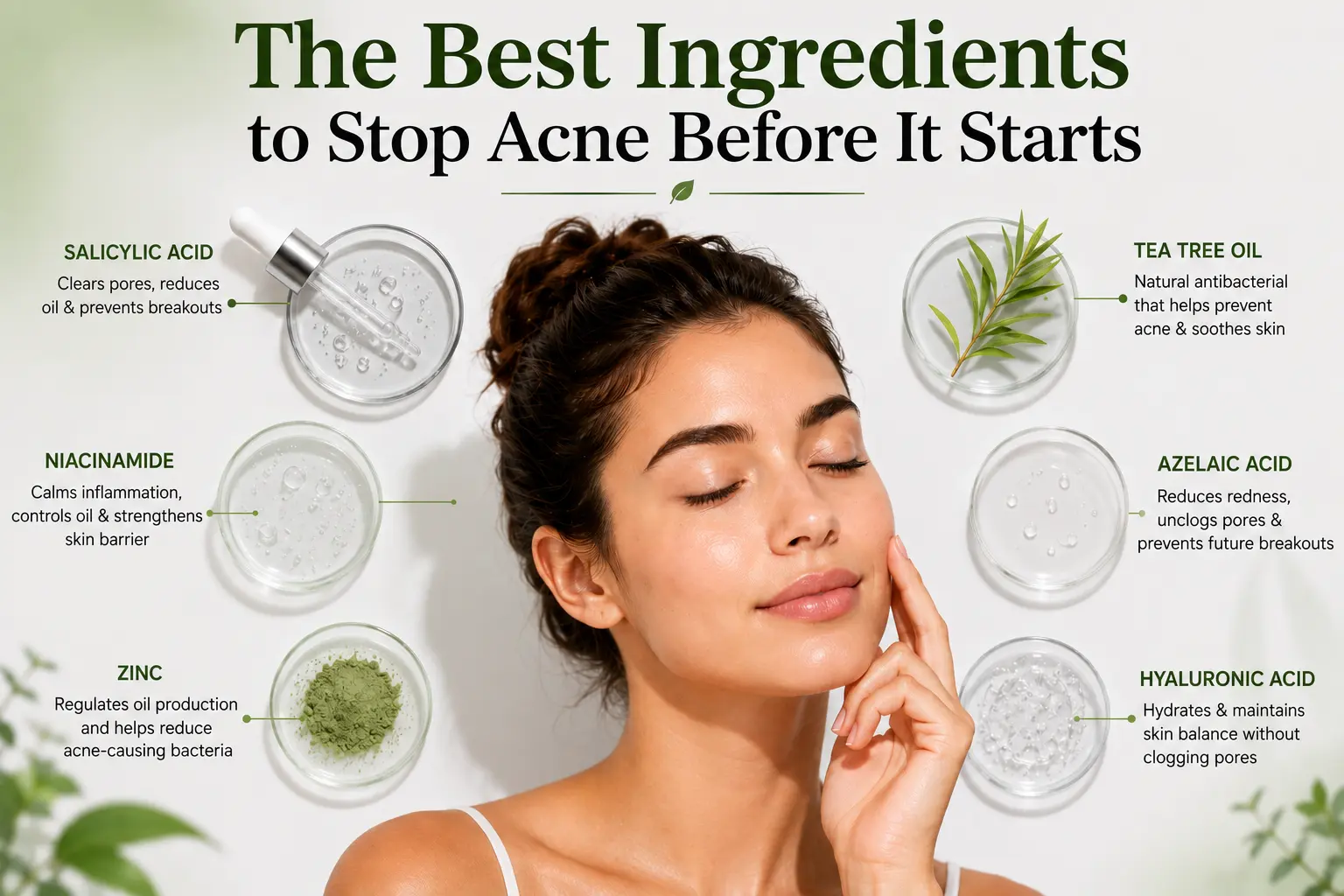
Supporting Ingredients That Help Prevent Breakouts
The strongest acne prevention ingredients work even better when your skin stays healthy and hydrated. Dry, irritated skin often produces more oil as a natural response. That extra oil can increase the risk of clogged pores. Supporting ingredients help maintain balance while allowing active treatments to do their job.
Hyaluronic Acid Maintains Hydration
Hydration and oiliness are not the same thing. Even oily skin can become dehydrated. When that happens, the skin may respond by producing even more sebum. Hyaluronic acid attracts water to the skin without clogging pores or leaving a greasy finish.
Its benefits include:
- Lightweight hydration
- Reduced tightness after active treatments
- Better moisture balance
- Support for healthy skin function
Many moisturizers made for acne-prone skin include hyaluronic acid because it keeps skin comfortable without adding extra oil.
Azelaic Acid Supports Calm, Clear Skin
Azelaic acid does not always get the same attention as salicylic acid or retinoids, but it deserves a place in many acne prevention routines. It gently exfoliates the skin while helping normalize the way skin cells shed inside the pores.
Many people continue to deal with pink or brown marks after a breakout heals. Azelaic acid can help those marks fade over time while supporting clearer-looking skin.
Some of its key benefits include:
- Gently removes dead skin cells
- Helps keep pores clear
- Reduces redness linked to acne
- Supports a healthy skin microbiome
- Helps improve the look of post-acne marks
People with sensitive or redness-prone skin often tolerate azelaic acid well, making it a useful addition to an acne control skincare routine.
Zinc Oxide Helps Protect Acne-Prone Skin
Daily sunscreen is one step that many people skip, especially if they have oily skin. The problem is that sun exposure can worsen post-acne marks and leave irritated skin even more inflamed.
When choosing sunscreen, look for products labeled:
- Non-comedogenic
- Oil-free, if you have oily skin
- Broad-spectrum SPF 30 or higher
A sunscreen that feels comfortable on your skin is one you are more likely to use every day.
Prevention and Treatment Are Not the Same Thing
Many people assume every acne ingredient works the same way. That is not true.
Understanding this difference helps you choose products that match your skin's needs.
Prevention Ingredients
These ingredients work before acne becomes visible:
- Salicylic acid
- Retinoids
- Niacinamide
- Azelaic acid
Their goal is to stop clogged pores from forming and keep the skin functioning normally.
Treatment Ingredients
One of the best-known treatment ingredients is benzoyl peroxide. Benzoyl peroxide kills Cutibacterium acnes, the bacteria involved in inflammatory acne. It works very well on existing pimples, especially red and swollen ones.
That is why dermatologists often recommend using preventative ingredients regularly while keeping benzoyl peroxide available for active breakouts when needed.
Building an Acne Control Skincare Routine
You do not need a shelf full of products to prevent acne. A simple routine followed consistently often gives better results than using too many active ingredients at once.
Morning Routine
- Wash your face with a gentle cleanser.
- Apply a niacinamide serum if desired.
- Use a lightweight moisturizer.
- Finish with a broad-spectrum sunscreen containing SPF 30 or higher.
Evening Routine
- Cleanse your skin.
- Apply salicylic acid or a retinoid according to your routine.
- Follow with a moisturizer containing hydrating ingredients such as hyaluronic acid.
Introduce one active ingredient at a time. This gives your skin time to adjust and makes it easier to identify anything that causes irritation.
Common Mistakes That Can Trigger Breakouts
Even the best acne prevention ingredients cannot perform well if everyday habits keep working against them.
Watch out for these common mistakes:
- Washing your face too often
- Scrubbing the skin with harsh exfoliants
- Using several strong active ingredients at once
- Sleeping with makeup on
- Skipping moisturizer because your skin feels oily
- Picking at pimples
- Giving up after only a few weeks
Most preventative skincare ingredients need several weeks of consistent use before noticeable improvements appear.
When Should You See a Dermatologist?
Home skincare works well for mild acne, but it cannot solve every case.
Consider seeing a dermatologist if:
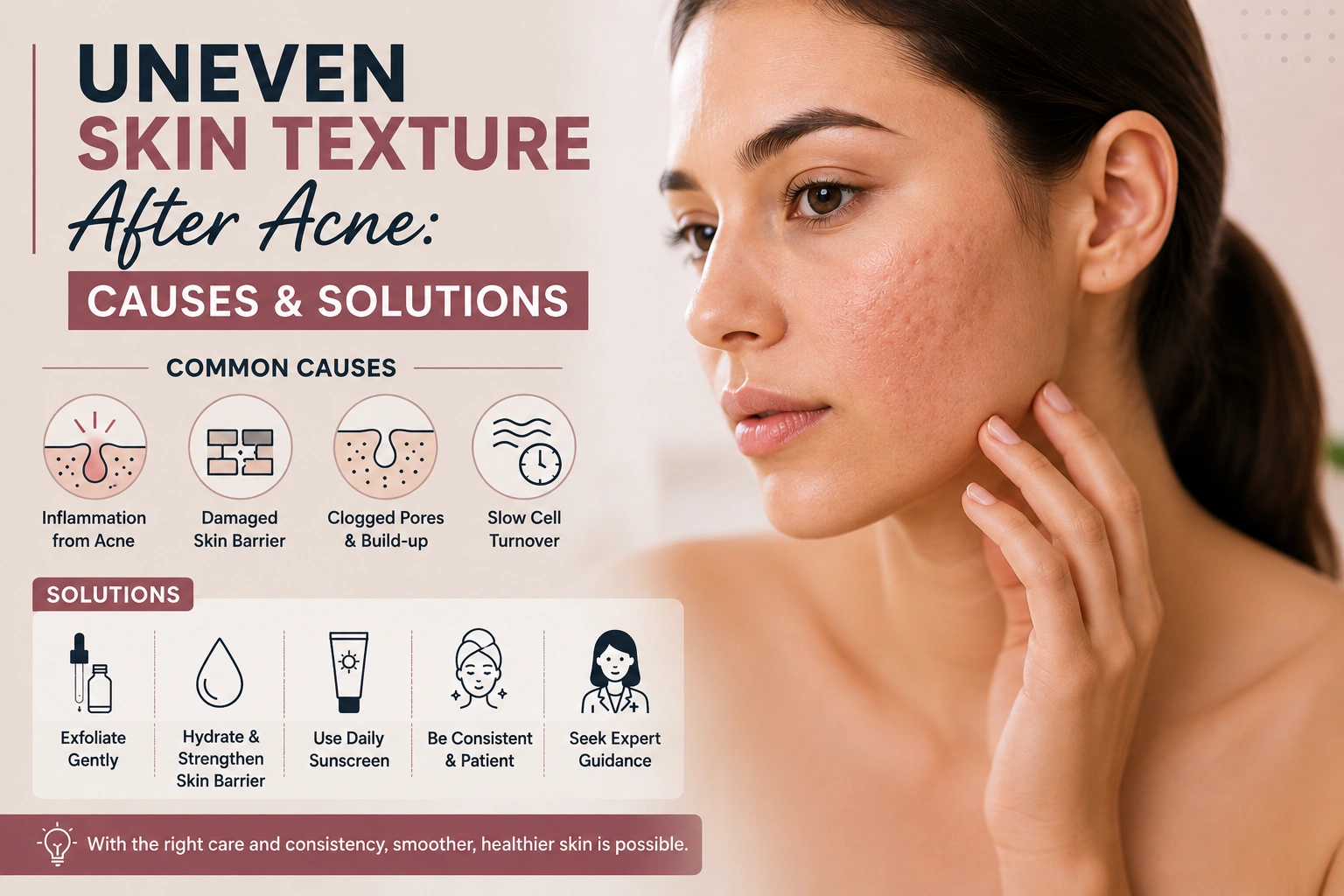
- Acne leaves scars.
- Large, painful cysts develop.
- Breakouts continue after several months of consistent skincare.
- Acne affects your confidence or daily life.
- Over-the-counter products are not improving your skin.
A dermatologist can recommend prescription retinoids, hormonal treatments, or other options that fit your skin type.
Final Thoughts
Healthy skin rarely comes from treating pimples only after they appear. The better approach is preventing clogged pores before inflammation begins. Using proven acne-prevention ingredients such as salicylic acid, retinoids, and niacinamide in your acne care gives your skin the support it needs to stay clearer over time. Adding hydrating and barrier-supporting ingredients like hyaluronic acid, azelaic acid, and zinc oxide creates a routine that protects your skin instead of overwhelming it.
Ready to build a skincare routine that helps stop breakouts before they begin? When choosing skincare products, look for formulas that contain clinically supported ingredients such as salicylic acid, retinoids, or niacinamide. Pers. Active Lab offers products designed to support these goals.
Frequently Asked Questions
1. What are the best acne prevention ingredients?
Salicylic acid, retinoids, niacinamide, azelaic acid, and hydrating ingredients like hyaluronic acid are among the most effective options. They help keep pores clear, regulate oil, and support healthy skin.
2. Is salicylic acid good for preventing acne?
Yes. Salicylic acid for acne works by dissolving excess oil and dead skin cells inside the pores before they develop into blackheads or pimples.
3. Can niacinamide prevent breakouts?
Yes. Niacinamide acne care helps regulate oil production, supports the skin barrier, and calms inflammation, reducing the likelihood of future breakouts.
4. Should I use benzoyl peroxide every day?
Benzoyl peroxide works best as a treatment for active inflamed acne. Ingredients like salicylic acid and retinoids are generally better choices for long-term prevention.
5. How long does it take to see results from acne prevention skincare?
Most people begin noticing improvements after six to twelve weeks of consistent use. Skin renews gradually, so regular application and patience are important for lasting results.






 Successfully Added!