Healthy skin rarely comes from quick fixes. Many people try strong products, long routines, or frequent treatments, hoping for fast results. Sometimes these methods help for a short time. Often, they only hide the real issue. A smarter approach focuses on the problem's cause rather than its surface symptoms. Skin responds better when treatment supports its natural systems.
In this blog, we explain common skin root causes and how you can address them with a smarter treatment approach. This means protecting the skin barrier, calming inflammation, and helping the skin repair itself.
Why Skin Problems Often Return
Many skin concerns follow the same pattern. A product temporarily resolves the problem. Then the issue comes back again. This happens because the real cause remains active beneath the surface.
Strong treatments may reduce the visible signs. They rarely fix the deeper cause. That is why most people prefer a well-thought-out plan.
Key Elements of a Smarter Skin Treatment Plan
Modern skin care focuses on using fewer products in a smarter way. Here are some of the important aspects:
Skin Barrier First
Many routines damage the skin barrier. Harsh scrubs and frequent exfoliation can weaken it.
Barrier-focused care supports hydration and repair.
Common steps include:
- Using gentle cleansers
- Applying barrier repair ingredients
- Reducing over-exfoliation
- Choosing fewer but effective products
This approach is often called skinimalism (skincare + minimalism). The routine stays simple but effective.
Reducing Inflammation
Low-level inflammation often drives many skin concerns. Doctors sometimes call this process "inflammaging" because it also accelerates aging.
Inflammation can trigger:
- acne breakouts
- redness
- early wrinkles
- uneven texture
Calming the skin becomes an important step.
Dermatologists suggest ingredients that soothe the skin. Treatments that calm the skin help it return to its balanced state.
Regenerative Skin Technology
New technology now supports the skin’s natural repair systems. Instead of only filling lines or hiding damage, regenerative treatments help skin rebuild itself.
Some advanced methods include:
- growth factor treatments
- exosome therapy
- stem cell-based solutions
- collagen stimulation procedures
These treatments help activate autophagy. It is a natural process where skin cells repair and renew themselves. Over time, this process supports a stronger and healthier skin structure.
Personalized Skin Diagnosis
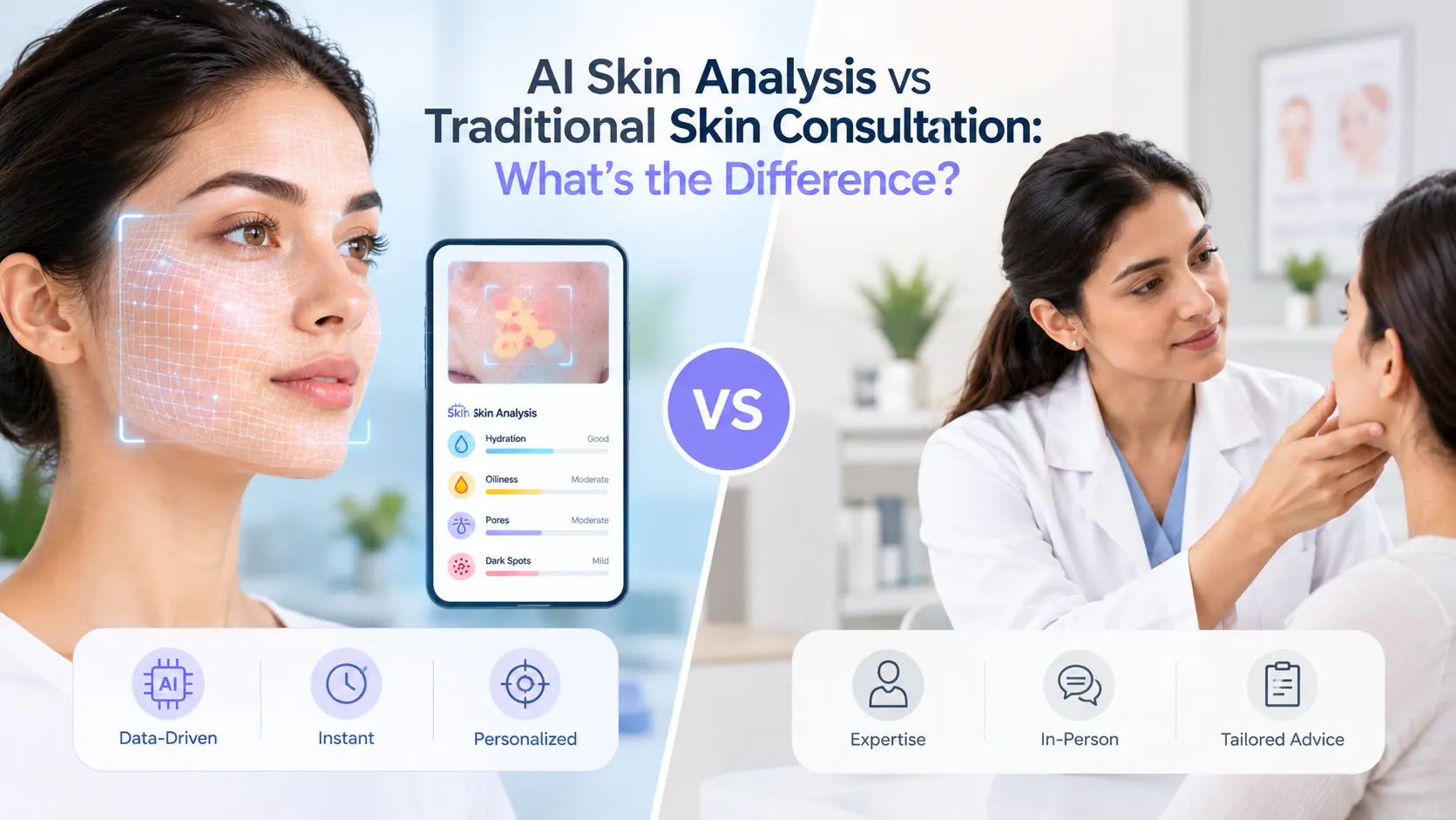
Skin care should not follow a one-size plan. Each person has different triggers and conditions. Modern clinics now use imaging tools and digital analysis to study the skin more closely.
These tools can measure:
- hydration levels
- inflammation patterns
- acne severity
- pigmentation depth
This helps dermatologists create a treatment plan tailored to your skin.
Lifestyle and Skin Health
Skin responds strongly to lifestyle habits. Many external factors affect how the skin behaves.
These factors include:
- diet and nutrition
- stress levels
- sleep quality
- sun exposure
- environmental pollution
A smart treatment plan often considers these areas along with topical care. When these factors improve, skin health usually improves as well.
Common Skin Root Causes
Many skin concerns connect to a few underlying causes. Understanding these causes helps guide treatment.
Chronic Inflammation
Inflammation is at the root of many skin conditions. Acne, rosacea, and premature aging are examples of problems that inflammation usually brings about in the skin over a period of time.
Inflammation reduction leads to less redness and better repair.
Skin Barrier Damage
A compromised barrier results in water loss and penetration of harmful substances into the skin. Barrier repair often becomes the first step in treatment.
Environmental Damage
Sun exposure and pollution can also damage the skin. It breaks down collagen and may cause pigmentation and fine lines.
To safeguard yourself from the sun, you can use sunscreen.
Hormonal and Genetic Factors
Hormones affect oil production and skin balance. This explains why acne often appears during hormonal changes. Some skin conditions also run in families. These may include eczema or psoriasis.
Doctors often consider these patterns while building treatment plans.
Microbiome Imbalance
The skin contains helpful bacteria that protect it. When this balance changes, skin problems can appear. An unhealthy microbiome may lead to acne or irritation.
Modern Root Cause Skin Treatment Methods
Doctors now use several tools that focus on long-term results rather than quick fixes.
Some commonly recommended treatments include:
- Targeted active ingredients
- antioxidants for oxidative stress
- Beta-glucan for barrier repair
- calming ingredients for inflammation
- Advanced dermatology devices
- laser treatments
- broadband light therapy
- Microneedling
These procedures stimulate natural repair and collagen production.
Why Long-Term Skin Health Matters
Short-term fixes often require constant repetition.
This approach leads to:
- stronger skin barrier
- fewer flare-ups
- better hydration
- smoother texture
Patients often need fewer products and fewer treatments once the skin regains balance.
Root Cause Skin Treatment With Skin-Pal
Healthy skin starts when you understand what the actual problem is. A smarter treatment approach always focuses on the root causes. Doctors now support the skin barrier, calm inflammation, and encourage natural repair. Technology also helps guide personalized treatment plans.
Looking for skincare products that help boost your root cause skin treatment? Visit Skin-Pal and browse through our catalogue of skincare designed for your skin.
FAQs
1. Why do many skin treatments give only temporary results?
Sometimes the treatments don’t heal the underlying cause. Then after some time, it comes back again. This makes treating the underlying cause more important.
2. What does skin barrier repair mean?
It is the process of helping the skin's outer layer. It acts as a protective shield, saving the cells under it.
3. Can inflammation really affect skin aging?
It eventually destroys collagen and skin cells. You might see some wrinkles and redness. That is why it is important to treat inflammation.
4. Can lifestyle habits affect skin health?
What we eat, sleep hours, and stress handling affects skin. Working on these factors will not only increase your skin health but also complement the effects of the medical emphasis on skin.




 Successfully Added!