Acne can be harder to manage when your skin reacts to almost everything. One wrong product may lead to redness or stinging. That is why acne treatment for sensitive skin needs extra care.
Your skin needs acne care without harming its barrier. But gentle routines can reduce breakouts while keeping irritation to a minimum. In this article, we’ve talked about simple ways to manage acne on sensitive skin, support skin barrier repair, and choose products that help your skin heal while staying calm.
Sensitive skin needs balance. Strong acne products may clear pimples, but can leave your skin dry or sore. These tips support healing while helping reduce breakouts.
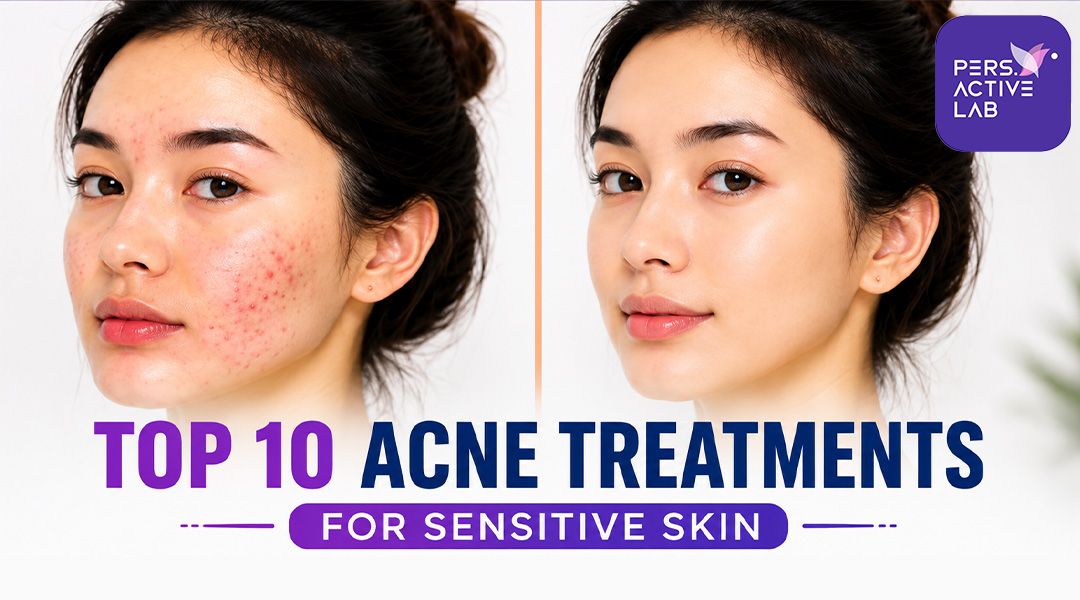
Top 10 Acne Treatments for Sensitive Skin
The following treatments support faster healing. Sensitive skin needs extra care as strong products may cause irritation. A gentle routine helps manage acne.
1. Use Gentle Cleansers
Sensitive skin often reacts to harsh face washes. Strong cleansers may make acne worse over time. But gentle cleansing helps keep skin calm while removing dirt. Also, this simple change supports soothing acne skincare and prepares your skin for treatment.
Key points:
- Choose fragrance-free cleansers
- Wash your face twice daily
- Avoid scrubs with rough particles
- Use lukewarm water
Your skin barrier works better when it is not over-cleaned, and less irritation often means fewer flare-ups. A gentle cleanser can become the base of your acne routine.
2. Repair the Skin Barrier Before Using Strong Treatments
Many people with acne also deal with damaged skin barrier acne issues. When your barrier is weak, products may sting or burn. Healing the barrier often improves skin response.
Barrier repair helps your skin tolerate acne products with less discomfort.
Key points:
- Use moisturizers with ceramides
- Avoid too many active ingredients
- Reduce exfoliation during irritation
- Give skin rest days between treatments
Healthy skin barriers hold moisture better. They also protect against outside irritation. Repairing damage can reduce redness and dryness.
3. Start Acne Products Slowly
Using many treatments at once can shock sensitive skin. Slow changes help you notice what works. Your skin needs time to adjust.
Starting small lowers the chance of irritation while treating breakouts.
Key points:
- Begin with treatments 2–3 times weekly
- Increase use only if skin stays calm
- Test products on a small area first
- Introduce one product at a time
Fast results often come with side effects. A slower routine helps maintain comfort, and consistency matters more than speed.
4. Pick Ingredients Known for Gentle Acne Support
Not all acne ingredients feel harsh. Some support clearer skin with lower irritation risk. Ingredient choice matters for acne treatment for sensitive skin.
Gentle ingredients can help manage breakouts without damaging comfort.
Key points:
- Azelaic acid may help with redness and acne
- Niacinamide supports barrier function
- Sulfur can work for some sensitive skin types
- Low-strength salicylic acid may be easier to tolerate
Ingredient strength changes the results. Lower percentages may work better for reactive skin. Always monitor how your skin feels.
5. Use Moisturizer Every Day
People with acne sometimes skip moisturizer. Dry skin can trigger more discomfort. Hydration helps balance your routine.
Moisture supports healing and may improve treatment tolerance.
Key points:
- Choose non-comedogenic formulas
- Apply moisturizer after cleansing
- Use extra hydration during cold weather
- Avoid heavily scented creams
Hydrated skin often reacts less. Moisture also helps reduce tightness. A good moisturizer supports long-term acne care.
6. Add a Redness Relief Product Carefully
Inflammation often accompanies acne-prone skin. But calming redness can improve comfort. A redness relief serum may help soothe visible irritation.
Reducing redness supports a calmer skincare routine.
Key points:
- Look for ingredients like centella asiatica
- Use small amounts first
- Stop use if burning occurs
- Apply after cleansing and before moisturiser
Redness does not always mean treatment is working. Also, persistent irritation may mean your skin needs a gentler approach. But comfort should stay a priority.
7. Avoid Over-Exfoliating
Too much exfoliation weakens skin protection. Sensitive skin may become flaky and reactive. Acne may appear worse after overuse.
Less exfoliation often means less irritation.
Key points:
- Limit exfoliating acids
- Skip daily peeling products
- Avoid using multiple exfoliants together
- Watch for stinging or peeling
Your skin renews naturally. Overdoing exfoliation interrupts healing. But gentle routines usually work better over time.
8. Protect Your Skin With Sunscreen
Many acne treatments increase sun sensitivity. Also, UV exposure can cause marks. Daily sunscreen helps protect healing skin.
Sun protection supports long-term skin recovery.
Key points:
- Use broad-spectrum SPF 30 or higher
- Choose mineral sunscreen if chemical formulas irritate
- Reapply when outdoors
- Pick fragrance-free options
Sun damage slows recovery. Sensitive skin often benefits from simple sunscreen formulas and protection matters even on cloudy days.
9. Focus on Calming Products
Skin sometimes needs a break, and during flare-ups, simpler routines often help more. Calm skin heals better.
This is where calming acne products become useful.
Key points:
- Reduce active ingredients temporarily
- Use soothing masks occasionally
- Prioritize hydration
- Avoid changing products often
Temporary irritation does not always need aggressive treatment. Giving skin time can improve recovery. Calm routines reduce stress on sensitive skin.
10. Be Patient With Results
Acne healing takes time, especially for sensitive skin. Fast changes are uncommon.
Patience helps maintain a routine that your skin can handle.
Key points:
- Track changes with photos
- Wait several weeks before judging results
- Expect small improvements first
- Adjust slowly if needed
Healthy progress often looks gradual. Consistency builds better outcomes over months. Gentle care supports lasting results.
Conclusion
Manage acne without harming your skin barrier. Gentle products, slower routines, hydration, and calming ingredients help reduce irritation while supporting clearer skin, and sensitive skin often improves with patience. Simple routines make acne care easier. Skin Pal supports gentle care for sensitive skin.
FAQs
1. What is the best acne treatment for sensitive skin?
Gentle ingredients like niacinamide or azelaic acid may help. Start slowly as your skin needs time to adjust. Also, results often take time, so avoid changing products too quickly.
2. Can acne treatments damage the skin barrier?
Yes. Overusing strong acids or harsh cleansers may lead to damaged skin barrier acne issues, and redness. A damaged barrier can also make your skin feel dry or sensitive. So, giving your skin time to recover may help improve tolerance to treatments.
3. Should I moisturize if I have acne and sensitive skin?
Yes. Moisturizer supports hydration and may help reduce irritation from acne treatments.
4. Do calming products help acne?
Some calming acne products reduce redness and support skin comfort, especially during flare-ups and they work best as part of a balanced routine. They may also help your skin recover after irritation.

 Member Center






 Successfully Added!