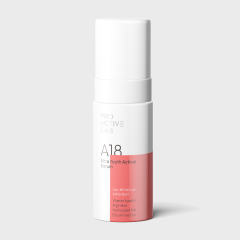
When to Use PR13: Managing Congested, Oil-Driven Breakouts
Not all breakouts are dominated by inflammation.
Sometimes the underlying concern is persistent congestion caused by excess oil and clogged pores.
In these situations, PR13 Pore Tightening Serum may be the more appropriate option.
PR13 is designed to support:
- Excess oil management
- Pore refinement
- Improved skin texture
- Reduction of recurring congestion
Signs PR13 May Be the Better Choice
- Enlarged pores
- Oily skin
- Blackheads
- Rough skin texture
- Deep congestion with minimal redness
Think of PR13 as addressing congestion within the pore, while BD14 focuses on calming visible inflammation after a blockage has already triggered a breakout.
Why R9+ Matters Even During Active Breakouts
Many people assume barrier-support products should only be used after acne has healed.
However, active breakouts are often the exact moment when skin support becomes most important.
Inflammation places considerable stress on the skin.
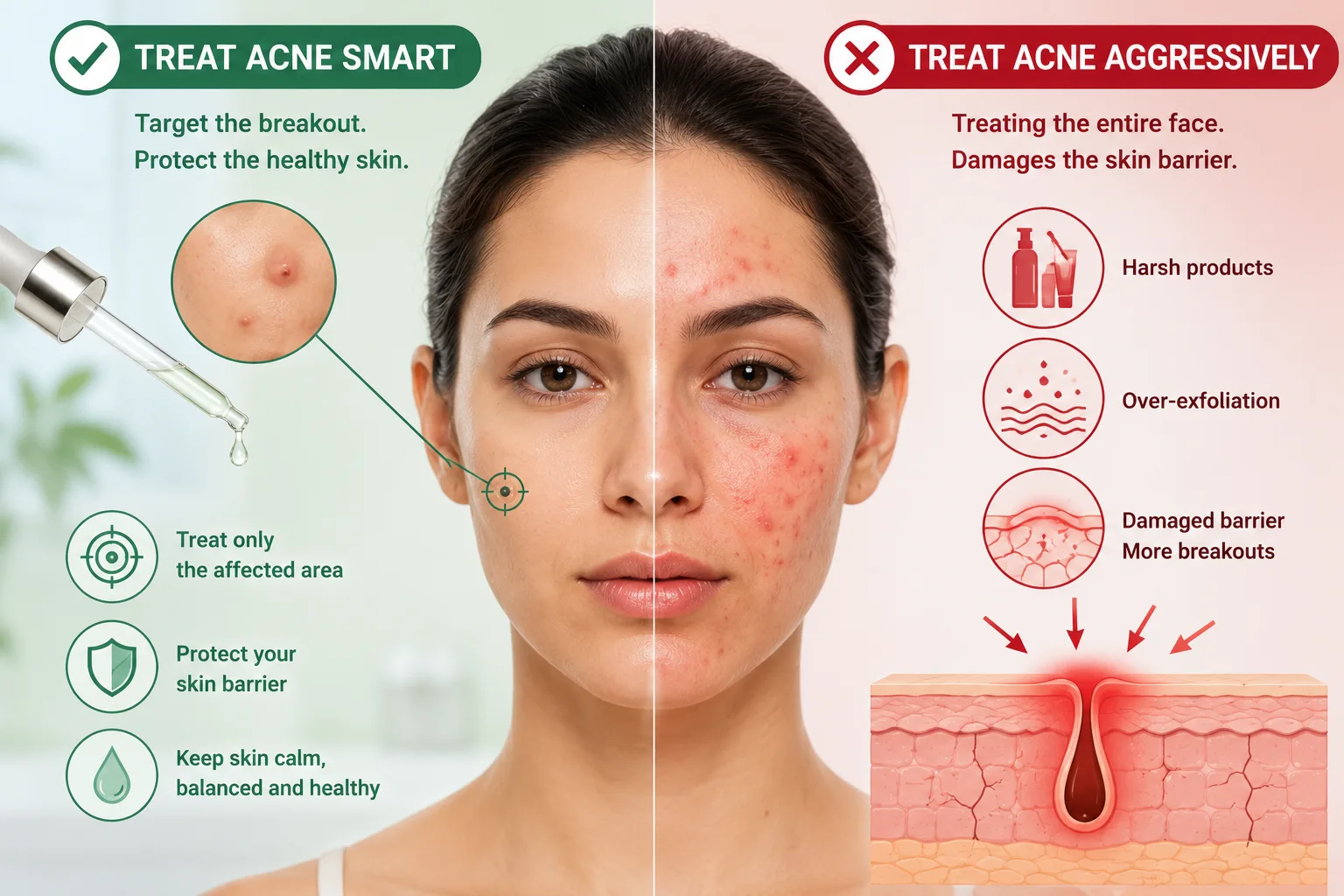
At the same time, many adults are using cleansers, exfoliants, spot treatments, and environmental stressors that may further challenge the skin barrier.
This is why PAL's Active Breakout Protocol combines:
- BD14 for visible inflammatory acne
- R9+ for skin barrier support and recovery
Rather than choosing between acne control and skin recovery, the goal is to support both simultaneously.
By helping maintain skin comfort and resilience during active breakouts, R9+ complements targeted acne management while helping reduce unnecessary skin stress.
PAL Adult Acne Protocol: Stage 2
For individuals experiencing active inflammatory acne:
Morning
Evening
- Gentle cleanser
- BD14 Ultra Blemish Defense Serum
- R9+ Extreme Repair Serum
- Moisturizer
This approach focuses on both inflammation management and skin barrier support.
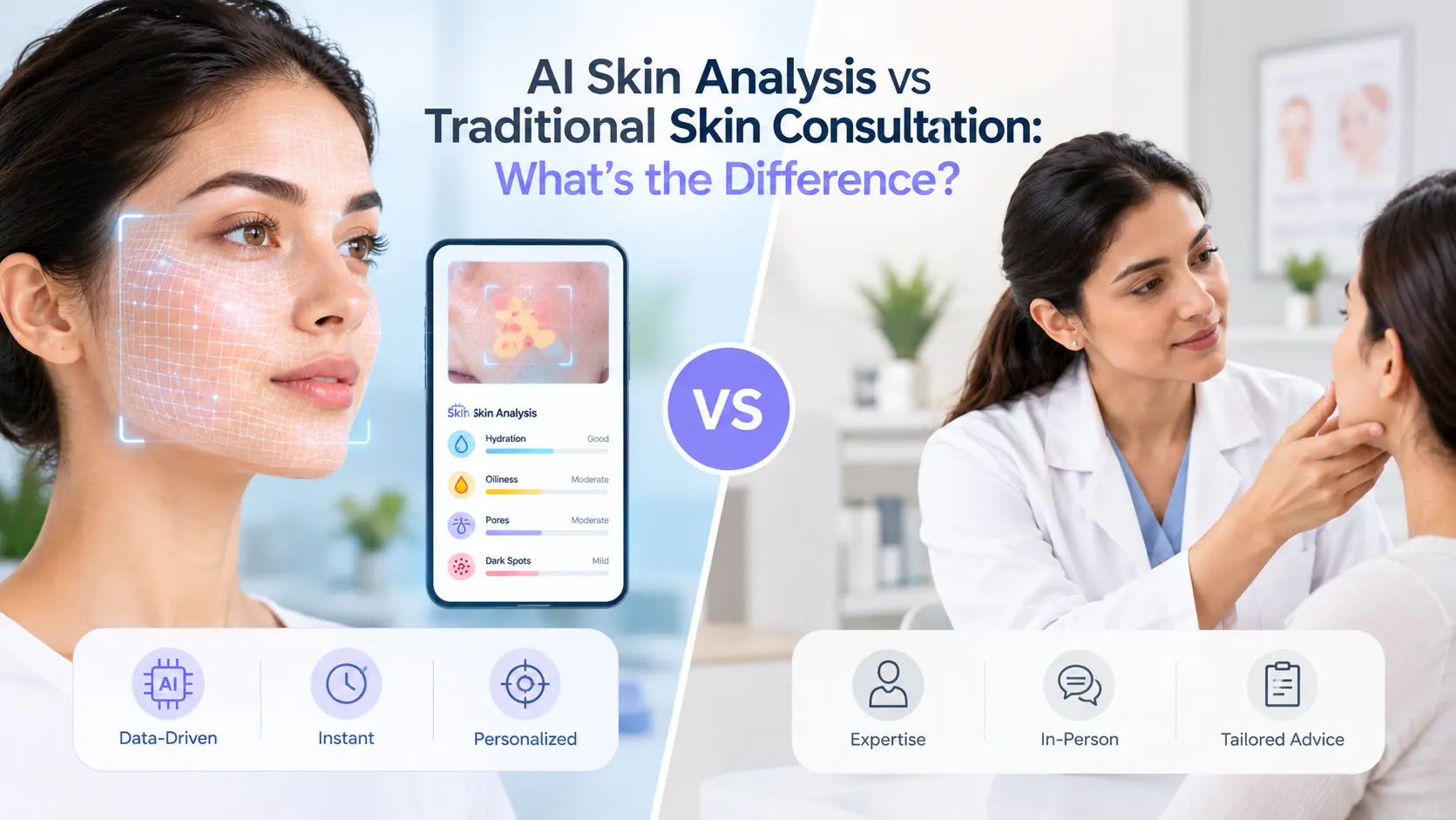
Why AI Skin Analysis Matters During Active Breakouts
Not all acne looks the same.
Some breakouts are primarily driven by inflammation.
Others are driven by congestion, excess oil, enlarged pores, or a combination of multiple factors.
This is why choosing the right skincare strategy can be challenging.
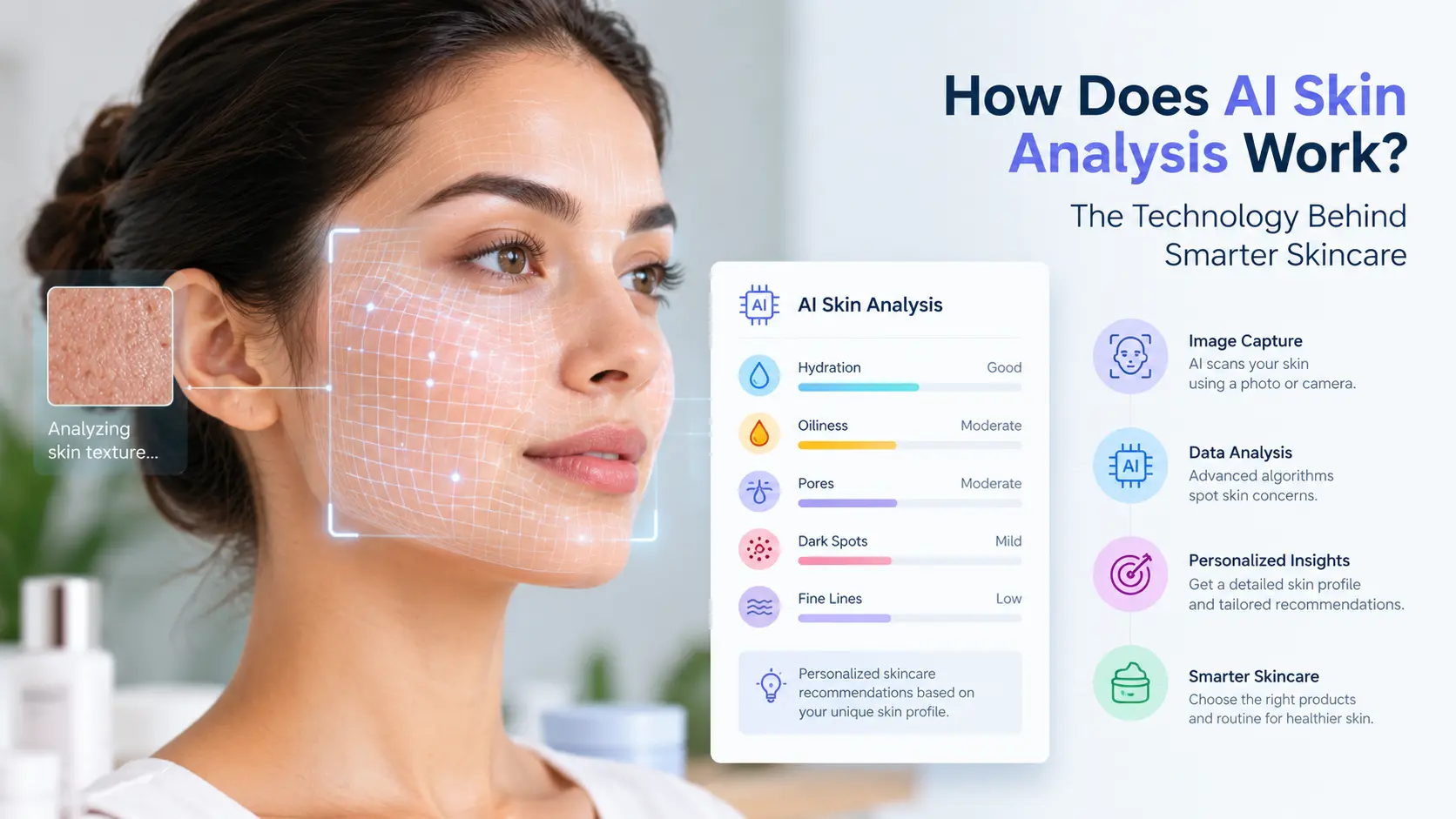
The Skin Beauty PAL AI Skin Analysis platform evaluates multiple skin dimensions, helping identify whether inflammation, congestion, sensitivity, pigmentation, or barrier concerns may be contributing to your current skin condition.
This allows for more personalized skincare decisions rather than relying on guesswork.
Frequently Asked Questions
Why is my acne red and painful?
Redness and pain usually indicate inflammation. Inflamed acne often requires a different approach than simple clogged pores or blackheads.
Can acne products damage my skin barrier?
Overuse of strong acids, harsh cleansers, and multiple active ingredients may contribute to skin barrier stress and increased sensitivity.
Should I stop using skincare when I have active acne?
No. A simplified routine focused on gentle cleansing, targeted treatment, hydration, and sun protection is generally recommended.
Why is my skin oily and sensitive at the same time?
Adult acne is often influenced by both excess oil production and skin barrier stress. This combination can make the skin feel simultaneously oily and reactive.
Can inflamed acne cause dark spots?
Yes. Inflammation is one of the primary causes of Post-Inflammatory Hyperpigmentation (PIH), especially in Indian skin tones.
Final Thoughts
The Active Breakout Phase is often the most visible and frustrating stage of the adult acne journey.
However, successful acne management is rarely about using stronger products.
Instead, it is about understanding what your skin needs at that moment.
By addressing inflammation while supporting the skin barrier, you can help reduce recurring breakouts and support healthier-looking skin over time.
In Part 3 of the Adult Acne Journey series, we'll explore what happens after a breakout subsides and why many adults continue to experience sensitivity, redness, and skin discomfort even after the blemish itself has healed.




 Successfully Added!