Most people think acne begins when a red pimple suddenly appears on the skin.
In reality, acne often starts weeks earlier.
For many adults, especially women between 25 and 45, breakouts develop gradually through a hidden phase known as Early Congestion. During this stage, pores begin to accumulate excess oil, dead skin cells, and environmental debris. The skin may still look relatively clear, but the conditions that lead to acne are already forming beneath the surface.
Understanding Early Congestion is one of the most effective ways to prevent recurring breakouts before inflammation begins.
|
About This Series
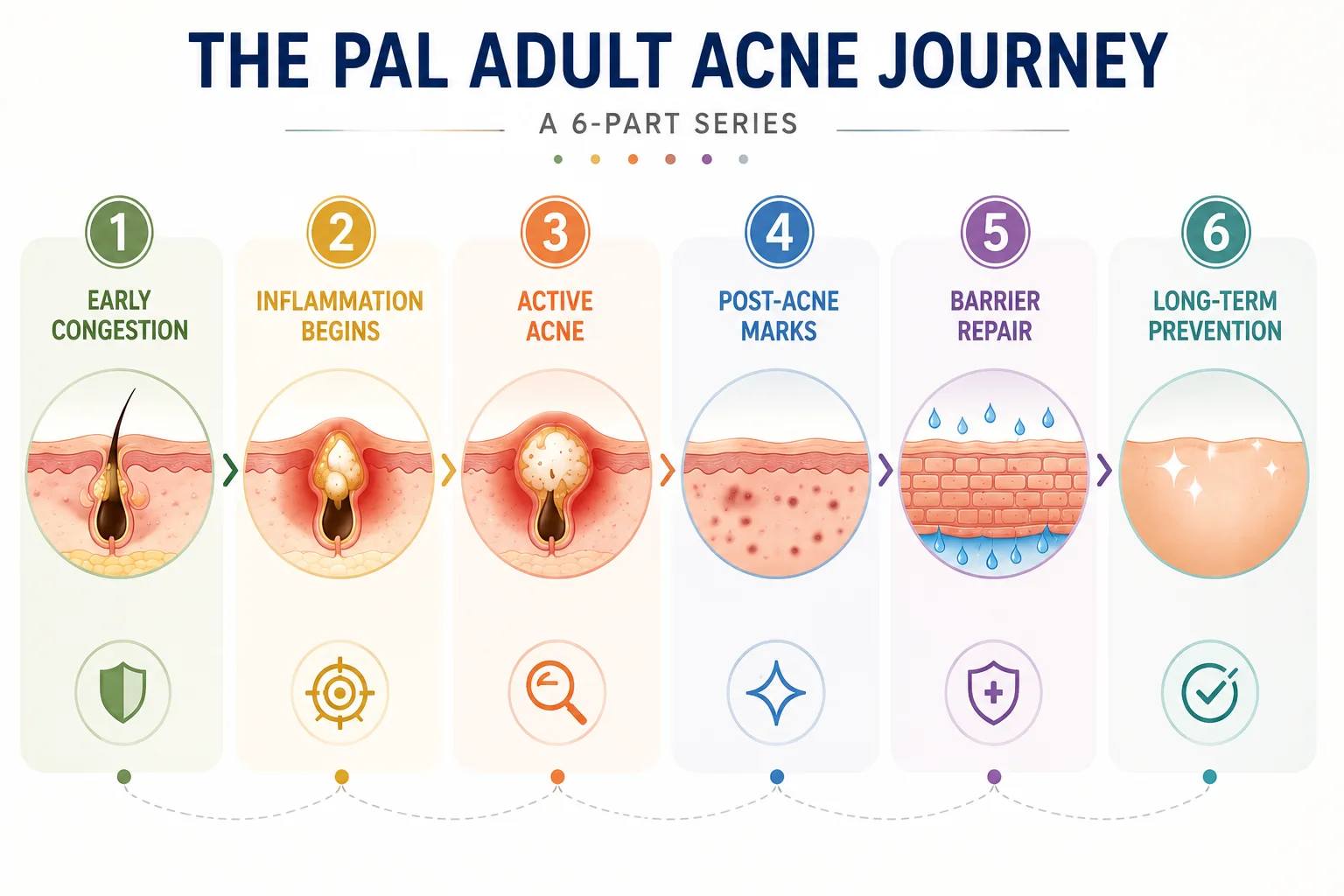
This article is Part 1 of the PAL Adult Acne Journey series, published every Saturday. Each part explores a distinct stage of how adult acne develops — and what you can do at each stage to support healthier-looking skin.
|
Why Adult Acne Is Different From Teenage Acne
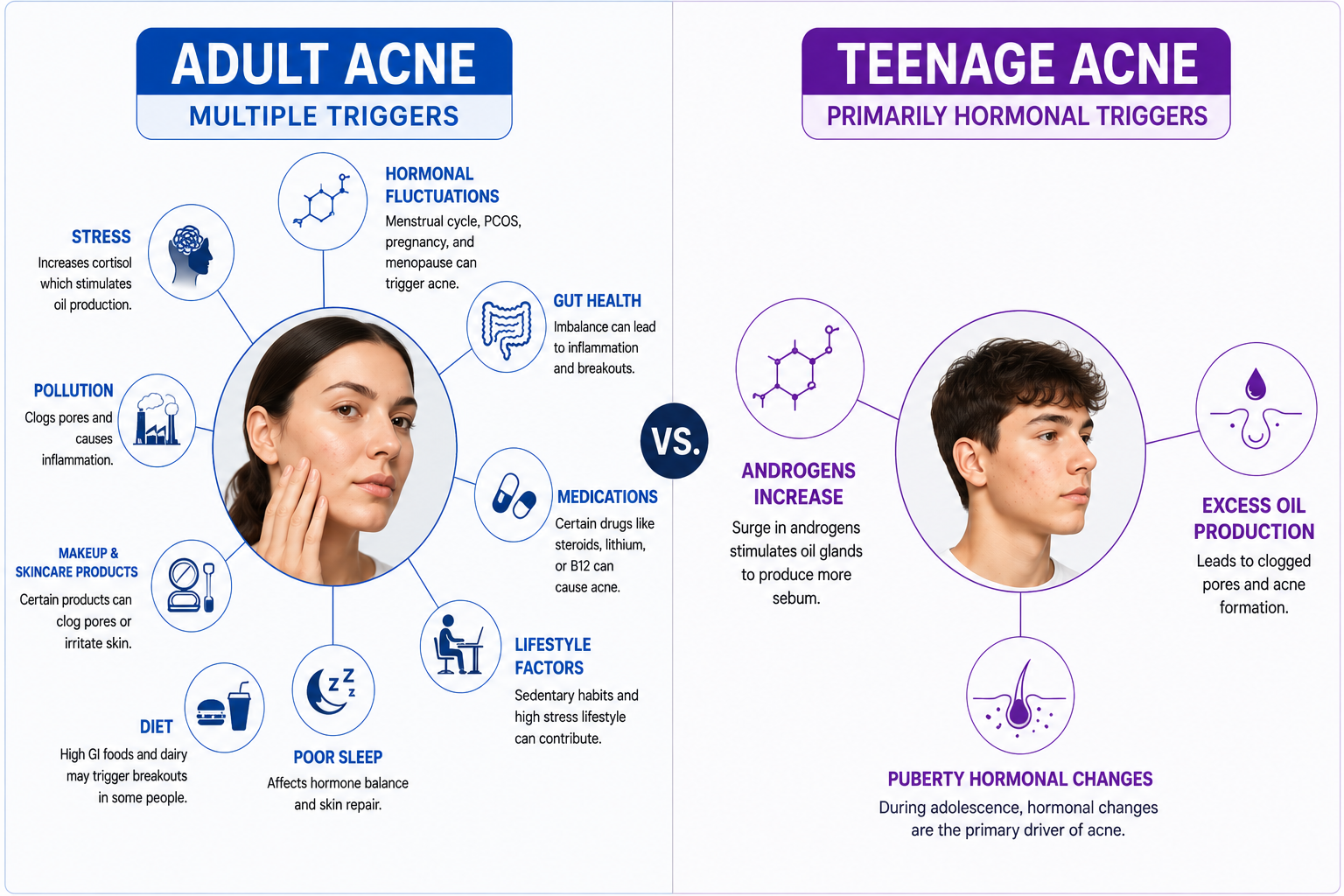
Adult acne has become increasingly common, especially among working professionals and urban women. Unlike teenage acne, which is primarily driven by puberty-related hormones, adult acne is often influenced by multiple overlapping factors:
- Chronic stress
- Poor sleep quality
- Air pollution
- Hormonal fluctuations
- Excessive screen time
- Inappropriate skincare products or routines
Adult acne also tends to appear alongside a range of other skin concerns:
- Enlarged pores
- Skin sensitivity and redness
- Dehydration
- Post-acne pigmentation
This combination helps explain a frustrating paradox that many adults experience: skin that is simultaneously oily and sensitive.
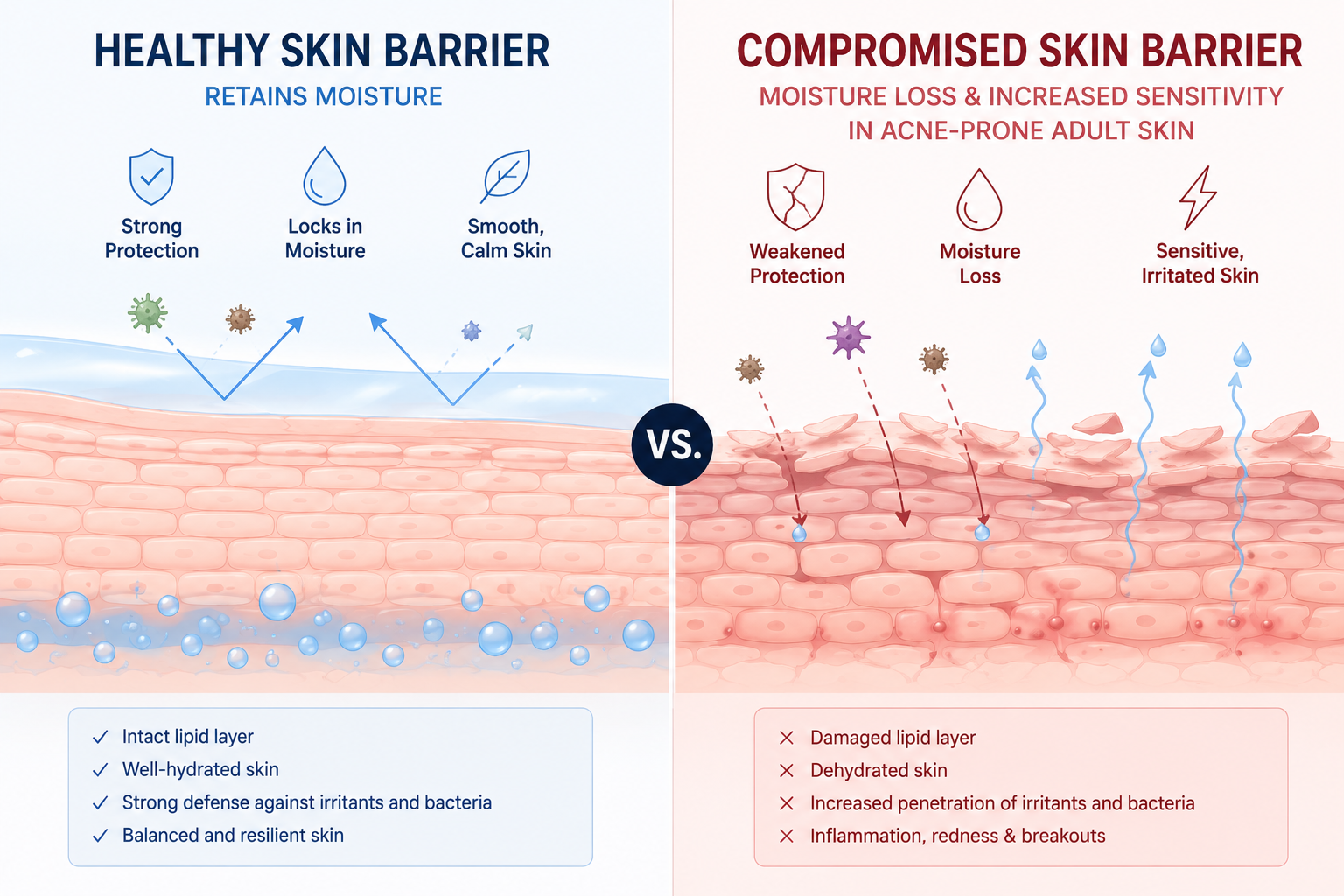
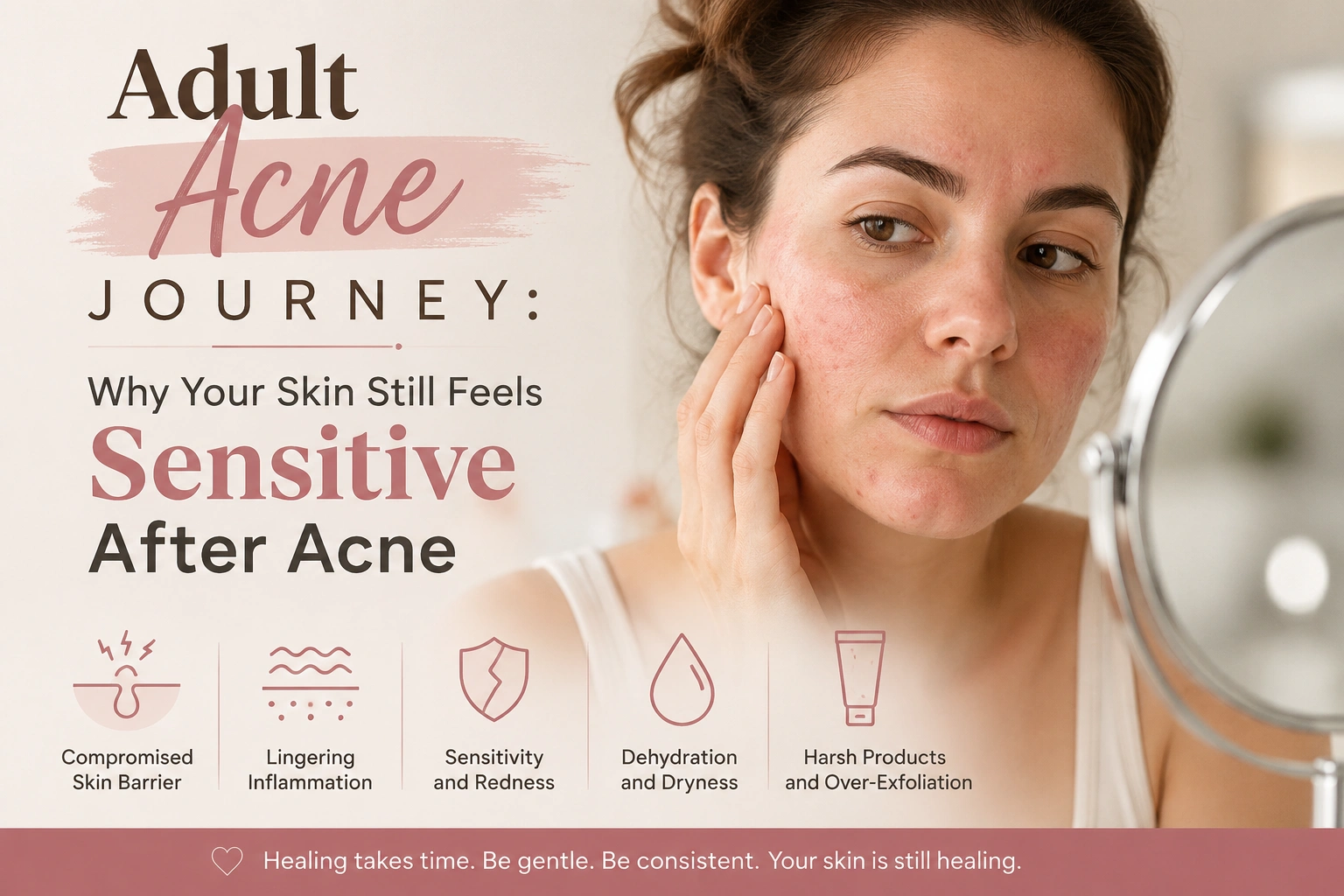
Many people assume acne is simply an oil problem. However, adult acne is often more complex. Chronic stress, poor sleep, air pollution, hormonal shifts, and even the wrong skincare routine place ongoing stress on the skin. Over time, this can affect the skin barrier, the skin's natural protective layer responsible for maintaining hydration and defending against environmental irritants.
When the skin barrier becomes less resilient, the skin grows more reactive, uncomfortable, and prone to irritation. We will explore the relationship between acne, inflammation, skin sensitivity, and barrier health in greater detail throughout this series.
What Is Early Congestion?
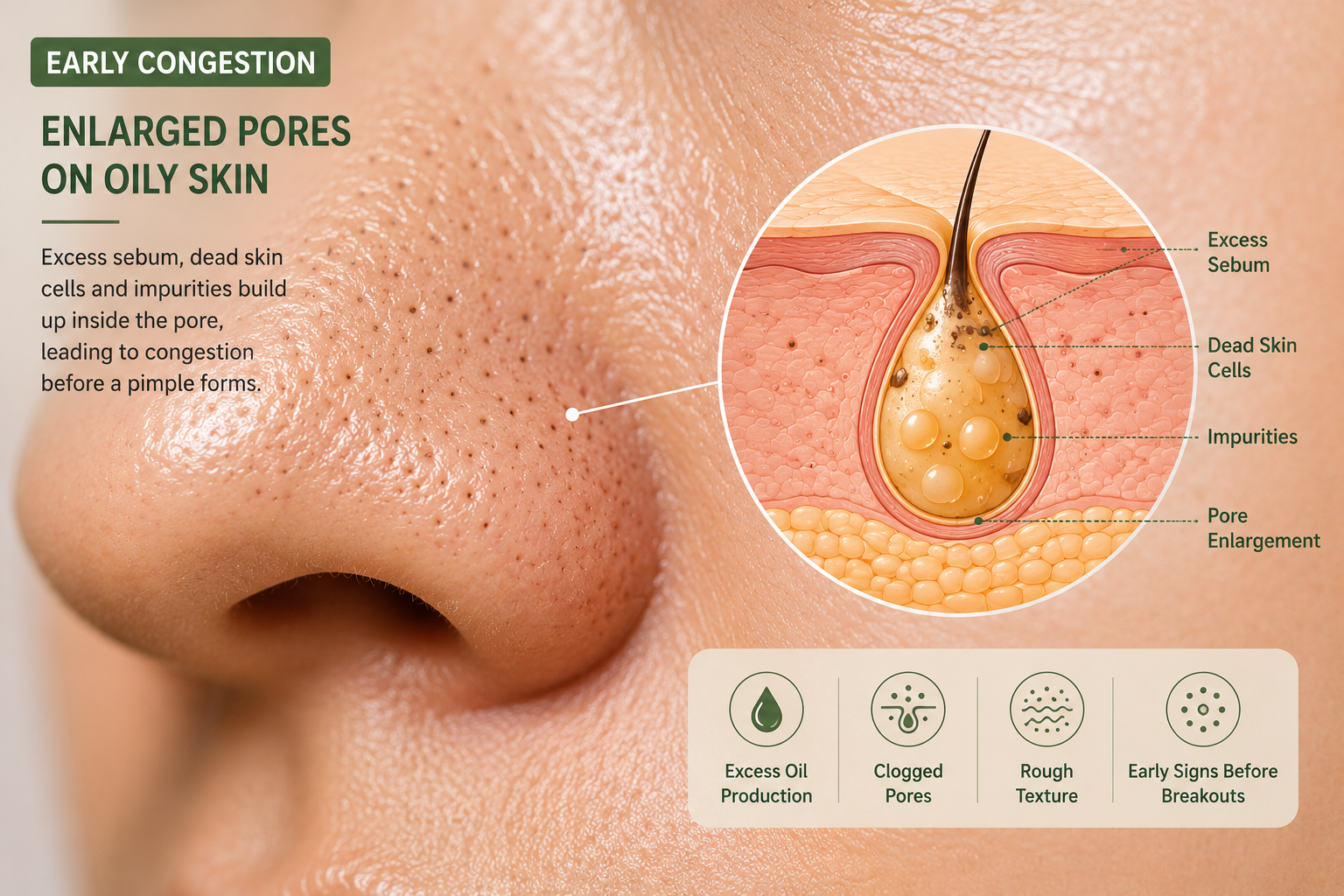
Early Congestion is the first stage of the Adult Acne Journey. At this stage, pores begin accumulating excess sebum and dead skin cells, but visible inflammation has not yet developed.
The process typically follows this sequence:
Excess Oil → Clogged Pores → Congestion → Inflammation → Visible Acne
Because inflammation has not yet developed, most people overlook the warning signs entirely. By the time a pimple appears, the process has already been underway for weeks.
Signs You May Be Experiencing Early Congestion
The following symptoms are commonly associated with the Early Congestion stage:
- Small bumps along the chin and jawline
- Oily T-zone that returns quickly after cleansing
- Rough or uneven skin texture
- Visibly enlarged pores
- Skin that feels greasy by midday
- Occasional sensitivity despite oily skin
Many adults assume these symptoms are minor and harmless. However, they often signal that acne development has already begun beneath the skin's surface.
|
Early Detection Matters
Recognising the signs of Early Congestion before inflammation sets in gives you the best opportunity to prevent a full breakout from developing. Once visible acne appears, treatment becomes more complex.
|
Why Treating Adult Acne Too Aggressively Can Backfire
When adults notice oily skin or small bumps, the common instinct is to treat aggressively using:
- Strong exfoliating acids
- Harsh cleansers
- Multiple acne treatment products at once
- Excessive scrubbing
While these approaches may temporarily reduce oiliness, they can also weaken the skin barrier, and for adults, this creates a particularly problematic cycle.
Unlike teenage skin, adult skin often faces multiple stressors simultaneously: congestion, dehydration, environmental pressure, and increased sensitivity. When the skin barrier is compromised, the skin becomes more reactive and less able to maintain its natural balance.
This is one of the core reasons why aggressive acne routines can deliver short-term improvement but fail to provide lasting results.
A compromised skin barrier often leads to:
- Increased sensitivity and redness
- Moisture loss
- Excess oil production as the skin tries to compensate
- Recurring breakouts
|
Key Insight
For adults, acne prevention is not simply about removing oil. It is equally about maintaining a healthy, resilient skin barrier. Focusing on oil control alone often makes the underlying problem worse.
|
How to Manage Early Congestion
The goal during Early Congestion is prevention, not correction. A simple and sustainable approach includes three priorities:
1. Keep Pores Clear
Ingredients such as Niacinamide and Salicylic Acid may help support clearer-looking pores and reduce excess oil accumulation without over-stripping the skin.
2. Support the Skin Barrier
A healthy skin barrier helps the skin maintain balance and resilience. Many adults focus entirely on oil control while overlooking this essential step. Barrier support should be considered a core part of any acne prevention routine.
3. Avoid Over-Treating
Using too many active ingredients simultaneously increases the risk of irritation and can trigger a recurring breakout cycle. A restrained, consistent approach tends to deliver better long-term outcomes than an intensive one.
PAL Adult Acne Protocol: Stage 1
For individuals experiencing Early Congestion, PAL's Stage 1 approach focuses on both pore management and skin barrier support. Rather than waiting for acne to appear, this approach helps address congestion before it progresses into visible inflammation.
PR13 Pore Tightening Serum (2% Niacinamide (Vitamin B3), Houttuynia Cordata Extract, Salicylic Acid, Allantoin)
Designed to support:
- Excess oil management
- Pore refinement
- Smoother-looking skin texture
R9+ Extreme Repair Serum (5% Panthenol, Bifida Ferment Lysate, Lactobacillus/Soybean Ferment Extract, Kalanchoe Spathulata Extract)
Designed to support:
- Skin barrier function
- Hydration balance
- Overall skin resilience
How AI Skin Analysis Can Detect Problems Before You See Them
One of the key challenges with Early Congestion is that its warning signs are often subtle. Small shifts in pore size, oil distribution, and skin texture are difficult to detect with the naked eye and easy to dismiss as normal variation.
This is exactly where early detection technology can make a difference. The Skin Beauty PAL app uses AI Skin Analysis to evaluate multiple skin dimensions, helping users identify developing concerns earlier and make more informed skincare decisions before visible breakouts occur.
If the signs above sound familiar, using an AI skin analysis tool as part of your routine can help you understand what stage your skin is currently at and which steps to take next.
Frequently Asked Questions
Can oily skin cause adult acne?
Yes. Excess oil can mix with dead skin cells and contribute to clogged pores, which may lead to acne development. However, oily skin alone is rarely the only factor skin barrier health, stress, and environmental exposure all play a role.
Is Early Congestion the same as acne?
Not exactly. Early Congestion is the stage before visible acne appears, but it creates the conditions that often lead to future breakouts. Addressing it early is one of the most effective ways to prevent progression.
Can enlarged pores be a sign of acne?
Yes. Enlarged pores often become more visible during the congestion stage when excess oil accumulates inside the pore. They are one of the earliest visible indicators that the skin may be moving toward a breakout.
Should I use strong acne products if I only have small bumps?
Not necessarily. Over-treating the skin at this stage may weaken the skin barrier and increase irritation, making future breakouts more likely not less. A balanced, targeted approach is generally recommended.
How can I tell if my skin is entering the congestion stage?
Common signs include oily skin, rough texture, enlarged pores, and small bumps especially around the chin and T-zone. If these symptoms feel familiar, Early Congestion may already be underway.
Final Thoughts
Adult acne rarely begins with a pimple. It starts much earlier during the hidden stage of Early Congestion, when pores begin to accumulate oil and debris before any visible sign appears.
By recognising the warning signs early and taking a balanced approach that supports both pore health and skin barrier function, you can meaningfully reduce the likelihood of progressing to active breakouts.






 Successfully Added!